
REVIEW · MUSEUMS
Dublin: Irish Famine Exhibition Entry Ticket
Hard history, shown clearly in Dublin. This Irish Potato Famine exhibition brings the story to life with rare 19th-century photographs and original letters and newspapers from the period. It is the kind of museum visit that gives you context fast, without feeling like homework.
I also like the on-site structure: you move through different rooms at your own pace, with storyboards that explain the events step by step. There are benches in the galleries, plus seating built in for a short 15-minute overview film, so you can take breaks when the topic gets heavy.
The one drawback is the subject matter. Expect sickness, eviction, and mass suffering, all presented with original materials. If you want something light and uplifting, this is not that kind of stop.
In This Review
- Key things to know before you go
- Where the Irish Famine Exhibition fits in Dublin, and when to go
- Ticket value: is $16 a good deal?
- What the visit feels like: storyboards, rooms, and a calm pace
- Rare photos and original artifacts: the moment the story gets real
- The 15-minute overview film, and why it works inside this exhibit
- The bigger context: why the word Famine is complicated
- Optional extras at the reception desk: book and USB
- Who should book this Irish Famine Exhibition ticket?
- Practical “make the most of it” tips
- Should you book this ticket?
- FAQ
- Where is the Irish Famine Exhibition in Dublin?
- What is the price of the ticket?
- How long should I allow for my visit?
- What are the opening hours?
- What is included with the ticket?
- What is not included?
- Is the exhibition wheelchair accessible?
- How long is the ticket valid?
- Can I cancel for a refund?
Key things to know before you go
- Self-paced visit around storyboard rooms with benches in each space
- Original items that feel personal, including a cast iron soup pot, newspapers, and letters
- A 15-minute overview film with seating options built into the exhibit flow
- Clear explanation of major events, like workhouses, evictions, coffin ships, and disease
- A practical “how did this happen?” focus that challenges simple assumptions about the crisis
- Translation manual available in French, German, and Italian (for supported languages)
Where the Irish Famine Exhibition fits in Dublin, and when to go

This exhibition is inside Stephens Green Shopping Centre, on the 2nd floor. The entry point is unit 200b on the top floor of the shopping center area, and you can find it by going in through the main entrance off Grafton Street. There is an elevator on the right about 20 meters in. Take it to the 2nd floor, then go left. If you enter from the car park side, it is at the opposite end of the center.
Hours are simple: open every day from 12:00 pm to 6:00 pm. The ticket validity runs for 180 days, but your selected time depends on availability, so check the options when you book. For the visit itself, I suggest planning at least one hour, especially if you want to read the boards closely and watch the film.
Because it is indoor, it is also a strong rain plan. On a wet Dublin afternoon, you still get a focused, meaningful museum experience without extra transit time or weather stress.
More Museum Visits in Dublin
- Irish Rock ‘N’ Roll Museum Experience Dublin
★ 5.0 · 6,112 reviews - The Little Museum of Dublin Famous Guided Tour
★ 5.0 · 2,948 reviews - Dublin EPIC Museum Admission Ticket
★ 4.5 · 1,729 reviews
Ticket value: is $16 a good deal?
At $16 per person, this ticket is good value if you like museum-style learning that is structured and not overly long. You are paying for more than generic explanations. You get entry to the exhibition, plus a translation manual in French, German, and Italian to help you follow the story.
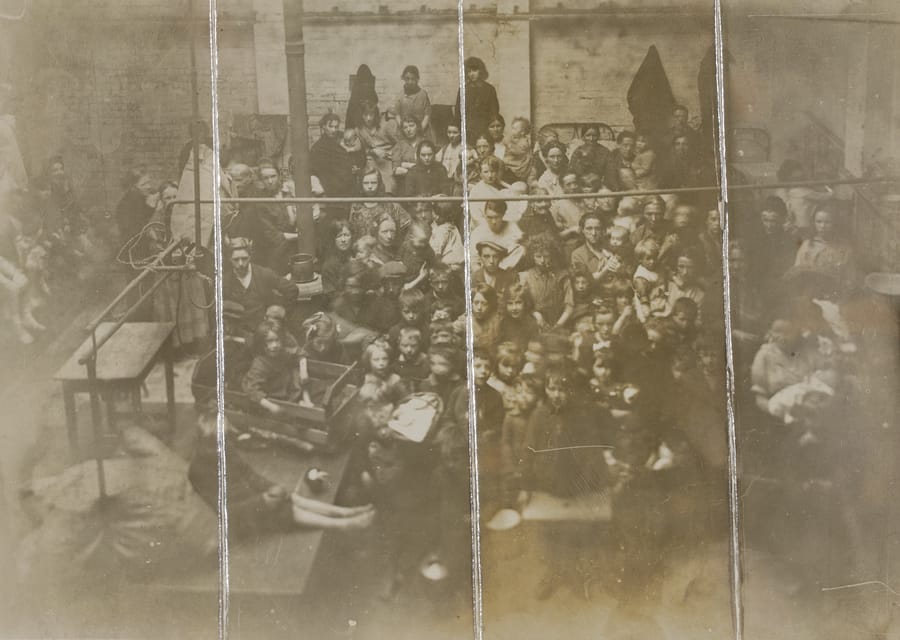
Most importantly, the content is built around original materials and visual evidence: rare 19th-century photographs, two newspaper articles describing the catastrophe, personal letters, and even a cast iron soup pot. That blend matters. It turns the topic from a textbook headline into something you can actually process, room by room.
Also, the experience is designed for time-efficient visitors. The film is only 15 minutes, but it is meant as an overview, and the galleries have seating so you do not have to hunt for places to rest. If you want a museum stop that fits into a half-day plan, this is one of those tickets that respects your time.
What the visit feels like: storyboards, rooms, and a calm pace
The core of the exhibition is the way it walks you through the Irish Potato Famine. You will move around various rooms where storyboards lay out the events in an easy, step-by-step way. It is not just a timeline of dates. It is a narrative that answers a key question you will keep thinking about: if there was food in the country during those years, how did this catastrophe happen at that scale?
You can take the exhibition at your speed. Each room has a bench, and there is seating in the area for the overview film. That is a small detail, but it changes the experience. It means you can slow down, read, and reflect without feeling rushed toward a single wall label and then out the door.
One practical tip for your own comfort: wear shoes that let you stand and walk easily. Even though it is not a huge multi-building complex, it is still a museum layout of rooms and exhibits. An hour moves by faster if you are comfortable.
Rare photos and original artifacts: the moment the story gets real
The exhibit uses visual proof and personal evidence, and that is where it can hit you the hardest, in a good way.
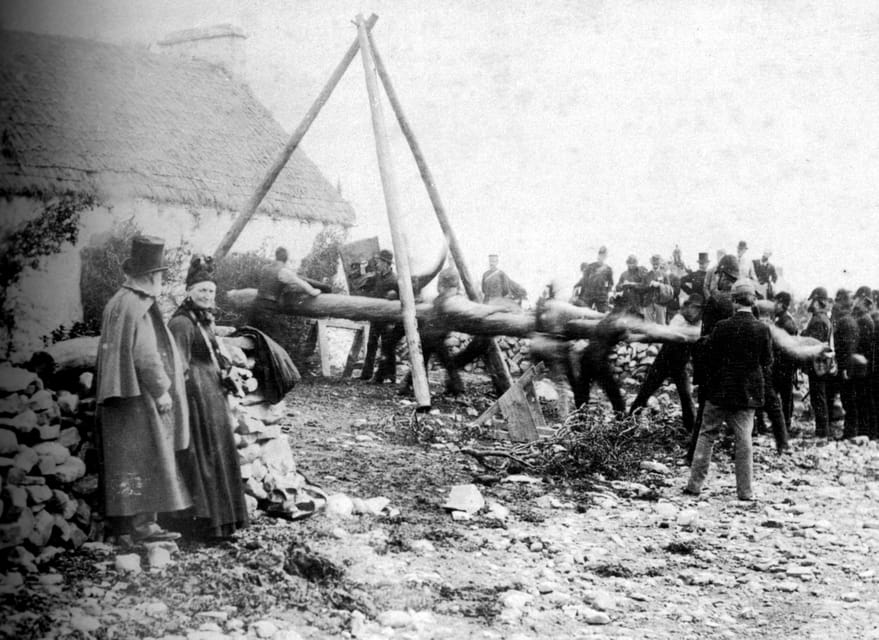
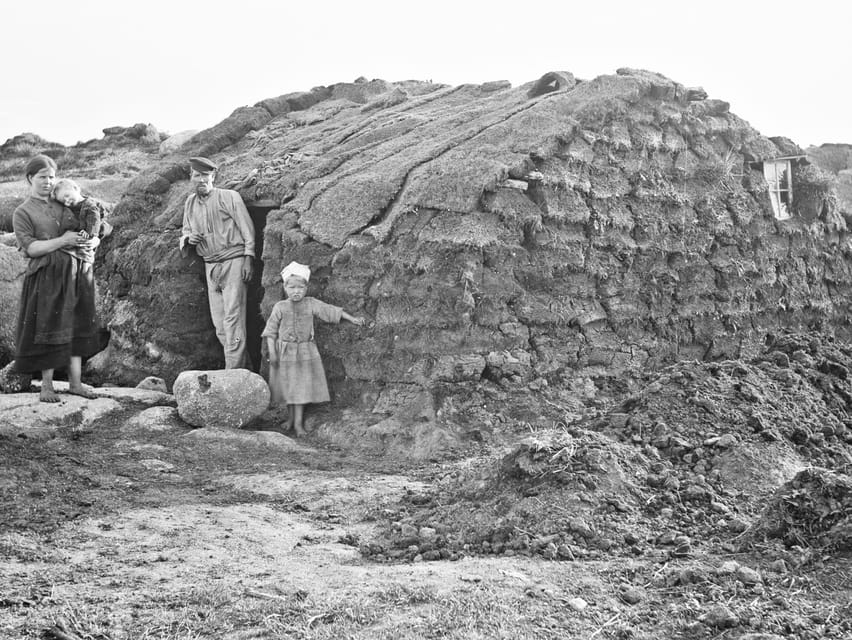
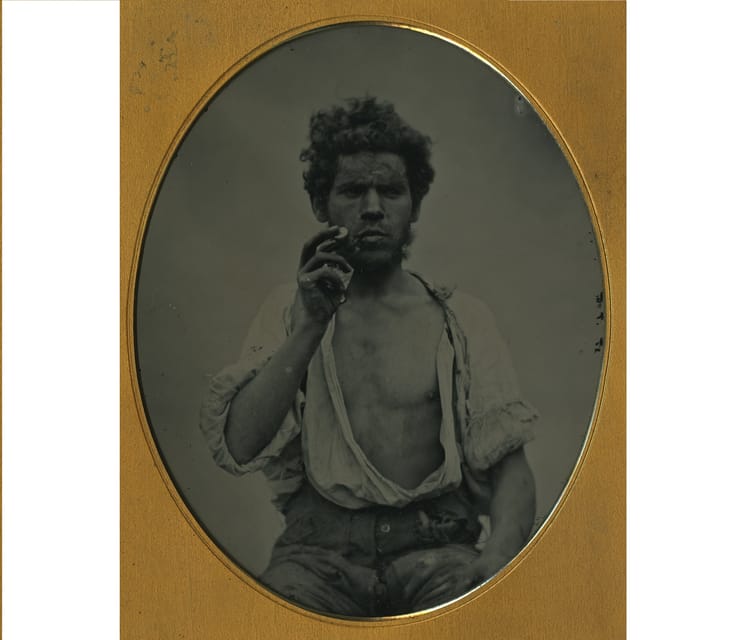
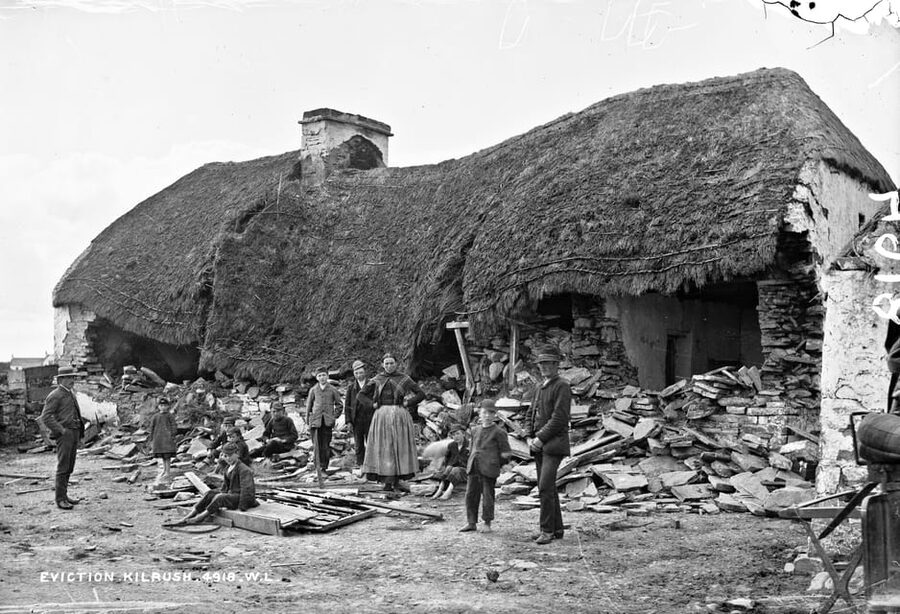
You will see rare 19th-century photographs of Ireland. These are not just pretty historical images. They frame the setting and make the crisis feel rooted in real places and faces, not abstract numbers.
Then come the original documents and objects. Two newspaper articles are displayed that describe the catastrophe. Reading about events through period reporting is one way museums help you understand not just what happened, but how people at the time described it.
You will also see personal letters. One letter is from a tenant to his landlord. Another is from a father to his son. That pairing is powerful because it shows the pressure moving through everyday relationships, not only through government policy or official records.
And then there is the cast iron soup pot. It is a simple object, but it is the kind of artifact that grounds the story in basic needs: food, survival, and what “relief” might have meant in practice.
The exhibit also tackles the major horrors people associate with the period. You are shown information on workhouses, evictions, coffin ships, and disease. Those topics are presented as part of the chain of events, which helps you connect the pieces instead of treating each tragedy as separate news flashes.
A different sort of day out in Ireland:
- Dublin to Cliffs of Moher, including Wild Atlantic Way and Galway
★ 5.0 · 23,331 reviews - From Dublin: Cliffs of Moher, Burren & Galway City Day Tour
★ 4.8 · 18,888 reviews - Dublin: Guinness Storehouse Entry Ticket
★ 4.6 · 16,863 reviews - Dublin to Cliffs of Moher, Burren, Wild Atlantic Way, Galway Tour
★ 5.0 · 12,924 reviews
The 15-minute overview film, and why it works inside this exhibit
Plan on using the film as your anchor. It is a 15-minute overview, and the exhibit has seating set aside so you can watch it without scrambling for a spot.
In many museums, a film can feel like a pause from real learning. Here, it is more like a map. After you watch, you are better able to interpret what you read in the surrounding storyboards. And because the film is short, you are not stuck in a long program when the day is already busy.
If you prefer reading first, you can do that too, then treat the film as a fast summary to tie things together. Either approach is supported by the layout, with benches and room-by-room pacing built into the experience.
The bigger context: why the word Famine is complicated
One section of the exhibition addresses an important debate: the word famine is controversial in this context. The reason is simple but hard. At the time, Ireland was part of the British Empire, described in the exhibit context as the richest empire in the world. The exhibit notes that there was sufficient food in Ireland during the famine years, yet over a million people died from starvation and disease, and millions were forced to flee.
So you are not just shown suffering. You are asked to grapple with the mechanism. How does a situation with food end up producing mass death and mass displacement? That framing turns the museum from “what happened” into “how could this happen.”
It is a tough mental exercise, but it is also why the exhibition feels relevant. It pushes you to look past the single word famine and toward the systems behind the crisis, including the roles of eviction, overcrowded institutions like workhouses, and the spread of disease.
Optional extras at the reception desk: book and USB
This ticket does not include the book or USB stick. But you can purchase both at the reception desk.
The USB includes the storyboards broken up into film format with suitable mood music, and it also includes the 15-minute overview film. If you like reviewing what you learned later, this can be a handy follow-up. It lets you revisit the story at home when you have time to think and take notes.
The book is also available, though the ticket itself does not bundle it. If you are planning a longer stay in Dublin and want to connect this exhibit with other Irish history stops, picking up the materials after your visit can help you keep the details fresh.
Who should book this Irish Famine Exhibition ticket?
This is a strong fit if you want an indoor Dublin activity that is structured, self-paced, and not overly time-consuming. You will probably like it if you:
- prefer learning through storyboards and original documents rather than only audio guides
- want a clear explanation that guides you step by step
- value translations in French, German, and Italian
- need an easy-to-fit museum stop between other city plans
It may not be the best match if you are hoping for a light, entertainment-style attraction. This is heavy material. Even though the layout helps you process it, the content covers death, disease, and eviction.
If you are visiting as a couple or on your own, the self-paced format is ideal. If you are traveling with someone who needs lots of hands-on activities or highly interactive displays, you might find it more intense and more reading-focused than they expect.
Practical “make the most of it” tips
- Give yourself at least one hour, and do not cram it back-to-back with another museum. This one benefits from breathing space.
- Sit when you can. The benches in each room are not just decoration. Use them for longer board sections.
- Treat the film as a tool, not filler. It is only 15 minutes, but it helps you connect storyboards across rooms.
- If you rely on reading support, use the translation manual actively rather than passively. The exhibit is step by step, so your understanding stays steadier when you follow along.
Also, keep in mind that this is located inside a shopping center. That makes it easy to plan around shopping and meals, but it also means you should be mentally ready for a museum environment inside a busy urban setting.
Should you book this ticket?
If you want a focused Irish Potato Famine experience that balances original materials with clear, step-by-step storytelling, I think you should book. The price feels fair for what you get, especially the combination of rare photographs, newspapers, personal letters, and a short overview film.
Book it if you are the type of traveler who likes meaningful context more than casual sightseeing, and you do not mind heavy themes. Skip it only if you know you want an upbeat, distraction-free activity.
Either way, this is the kind of Dublin stop that leaves you with questions, and better answers, about how a catastrophe unfolds when systems fail.
FAQ
Where is the Irish Famine Exhibition in Dublin?
It is located in Stephens Green Shopping Centre, in unit 200b. Enter through the main entrance off Grafton Street, take the elevator on the right to the 2nd floor, then go left.
What is the price of the ticket?
The entry ticket costs $16 per person.
How long should I allow for my visit?
Allow at least one hour for your visit.
What are the opening hours?
The exhibition is open every day from 12:00 pm to 6:00 pm.
What is included with the ticket?
Entry to the Irish Famine Exhibition and a translation manual in French, German, and Italian are included.
What is not included?
The book and USB stick are not included with the ticket.
Is the exhibition wheelchair accessible?
Yes, it is wheelchair accessible.
How long is the ticket valid?
The ticket is valid for 180 days, but starting times depend on availability.
Can I cancel for a refund?
Free cancellation is available up to 24 hours in advance for a full refund.
Freshly listed around Dublin
- Wicklow: Private Day Tour from Dublin★ 5.0 · 5 reviews
- Wicklow Mountains Private Day Tour including Glendalough★ 5.0 · 7 reviews
- Women Of Ireland: Trailblazers & Pioneers★ 5.0 · 4 reviews
- Full Day Private Wicklow Tour★ 5.0 · 12 reviews
- Wicklow tour of Glendalough★ 4.5 · 8 reviews
- Wicklow Mountains & Glendalough Luxury Private Day Tour★ 5.0 · 23 reviews
- Premium Irish Whiskey Tasting Hosted by Local Dublin Expert★ 5.0 · 77 reviews
- Whiskey Tasting Tour of Dublin★ 5.0 · 117 reviews
Museums, compared.

The Little Museum of Dublin Famous Guided Tour
Read our review →

Giant’s Causeway with the Titanic Exhibition and the best of Northern Ireland
Read our review →


Irish Whiskey Museum: Whiskey Blending Experience
Read our review →
Irish Whiskey Museum Blending Tour with Tastings
Read our review →Browse the lists this tour appears in