

REVIEW · WATERFORD TOURS
Waterford: House of Waterford Factory Tour
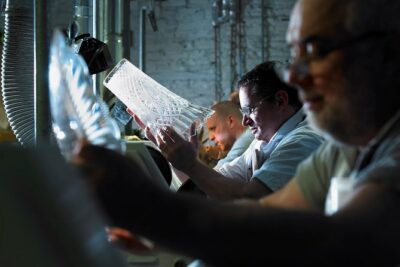
Waterford Crystal has a way of looking effortless, until you see it made. This House of Waterford Factory Tour is the rare kind of visit where you watch master craftspeople shape molten crystal step by step, then explain why every stage matters. I loved the way the tour is built around real workshop areas, not just a slideshow, and I also loved how close you get to the cutting and engraving work. One thing to keep in mind: it is a guided viewing tour, not a do-it-yourself glass class, so you are there to watch and ask questions, not make your own piece.
Plan on spending about an hour from the start at The Mall in Waterford City, then you finish back at the same meeting point. Guides take you through the history room, mold room, blowing room, cutting, and the precision sculpting and engraving stages, with a big retail stop at the end. If you are sensitive to crowds or long standing, you might want to pace yourself, because you are moving through active work zones for the full tour.
In This Review
- Key things that make this tour worth your time
- House of Waterford Tour: what you are really paying for
- Getting oriented at The Mall, Waterford City
- History room: where Waterford’s story turns into craft
- Mold room: the early shape, before it looks like crystal
- Blowing room: molten crystal becoming a recognizable form
- Cutting department: the diamond wheel and the logic of clean edges
- Sculpting and engraving: the precision stages that make the design read
- Retail shop finale: see the finished work in one shining place
- Guides, questions, and the workshop feel that sticks with you
- Who should book this, and who might not
- Should you book the House of Waterford Factory Tour?
- FAQ
- How long is the House of Waterford factory tour?
- Where does the tour start and end?
- How much does the tour cost?
- Is the tour guided, and what language is it in?
- Is the tour wheelchair accessible?
- Are meals, drinks, or souvenirs included?
- Can I reserve and pay later, and is there free cancellation?
Key things that make this tour worth your time
- History first, then hands-on looking: you start with Waterford’s story before you see the factory process.
- You see shapes being formed, not just finished products: mold room and blowing room come early.
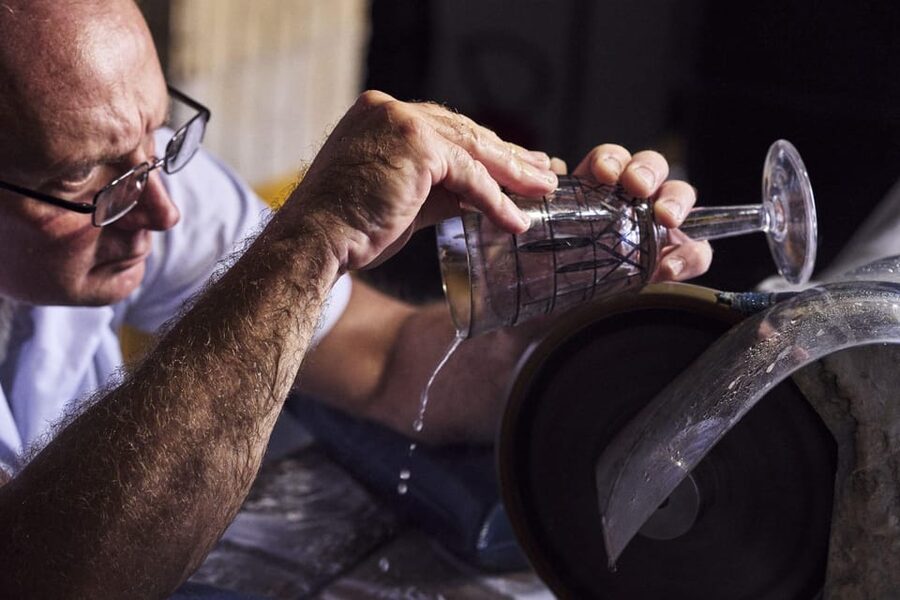
- Cutting uses industrial diamond-tipped wheels: you can really understand how crisp edges happen.
- Sculpting and engraving are the precision finale: the later stages show the most exacting craft.
- The retail shop wraps it all up: you end in a showroom with a huge selection on display.
House of Waterford Tour: what you are really paying for

Waterford is famous for a reason, but the price tag on crystal can make people shrug. This tour gives you the context that pricing never fully explains. For $20 per person, you get a guided look at the actual making process, plus a retail stop to see what all that work produces.
The time commitment is also refreshingly clear. The tour runs about 1 hour, and you should check availability for starting times. That one hour matters because it keeps the visit focused. You get a complete arc, from history to finished objects, without turning it into an all-day production.
Value-wise, I think this tour hits because it teaches you how many steps are involved. A single piece of Waterford crystal is not a one-technique job. Even when you only get to watch, you still pick up how much training and careful timing sit behind the scenes. That is the kind of knowledge that changes how you look at a product once you are back in your hotel room.
A quick practical note: there is no meals-and-drinks package included. If you want coffee or a snack after, you may find onsite options at the site, but you should plan to pay for them yourself.
More around Waterford worth an open tab:
- House of Waterford Crystal Guided Factory Tour
★ 4.5 · 2,303 reviews - Skip the Line: Hook Lighthouse Entrance Ticket and Guided Tour
★ 5.0 · 470 reviews - Waterford Treasures: Epic Walking Tour
★ 4.5 · 152 reviews
Getting oriented at The Mall, Waterford City
You start at The Mall in Waterford City, and you end back at the same meeting point. That sounds simple, but it helps more than you might think. Waterford is easy to walk around, and having the tour “loop back” means you can line it up neatly with lunch or a visit to other sites the same day.
I also like that the tour is wheelchair accessible. One review specifically mentioned the team accommodating a spouse’s special needs, which is a good sign for real-world flexibility. Still, you will be walking through rooms and watching from viewing areas, so it helps to wear comfortable shoes.
The tour is in English, and it is guided by a live person. From what you will see in the workshop areas, you do not want this to be self-guided. The tour format is built for conversation, especially when you can ask craftspeople questions during the process.
History room: where Waterford’s story turns into craft

The tour begins with a history stop, and that is not just polite filler. The exhibits trace Waterford from its earliest days, and you also see some of their antique pieces on display. This matters because crystal design is not just style. It is tradition plus repeated technique plus a steady push toward clarity and detail.
When you start in the history room, the later rooms make more sense. You are not just watching people do tasks. You start to notice that each step in the process is connected to the kinds of objects Waterford has become known for, from the way light moves through crystal to the way shapes are finished for long-term durability and shine.
If you love explanations, this is where you get your bearings fast. It is also a good place to settle in if your next stop is going to be visually intense. You can think of it as the “why” section, before you hit the “how.”
Mold room: the early shape, before it looks like crystal
Next comes the mold room, where you see wooden molds and hand tools still used by master blowers. This is one of the most satisfying transitions on the whole tour. You go from glass history to the physical act of forming.
Seeing wooden molds on display is a reminder that this process is not a one-button, factory-in-a-box situation. A mold is not just a container. It is part of the design system. It helps shape the basic form before any finer work like cutting, sculpting, or engraving can happen.
One practical tip: look closely at the mold tools and how they guide the first forms. Even if you do not catch every detail, your brain starts making a map. Later, when you see the blowing room and then the cutting department, you will understand what those first steps were setting up.
A different sort of day out in Ireland:
- Waterford Treasures: Medieval Museum Admission Ticket
★ 4.5 · 132 reviews - Irish Wake Museum Tour Rituals of Death and Celebration of Life
★ 5.0 · 115 reviews - Osprey Viking Cruises
★ 5.0 · 56 reviews - Waterford Treasures: Bishop’s Palace
★ 4.5 · 53 reviews
Blowing room: molten crystal becoming a recognizable form

In the blowing room, you watch craftspeople transform glowing balls of molten crystal into elegant shapes. This is where the tour earns its reputation for fascination. It is visually striking, but the key is not just the spectacle. It is that you can connect motion, timing, and control to shape outcomes.
A theme you will likely hear (even if it is phrased differently by each guide) is that the craft requires training and attention. One review highlighted how much training is involved, and you will see why. This stage is the point where the work starts to look like something you would actually buy, display, or gift.
Also, you are not watching from far away. Several reviews mention how you are close enough to see what they are doing, and how you can ask questions. That proximity is a big part of why this tour feels more personal than the typical factory experience.
One small surprise I like, if it happens during your visit: a review mentioned a gingerbread house in progress being fascinating alongside the craftspeople. That kind of offbeat detail makes the tour feel less like a scripted walk-through and more like a living workshop.
Cutting department: the diamond wheel and the logic of clean edges

After the initial shaping, the tour moves into cutting. You will see crystal cut using industrial diamond-tipped wheels. This is the stage where “pretty” turns into “precise.”
The diamond wheel matters because it supports high-quality cuts. When you watch this part, it is easier to grasp why Waterford pieces often catch light so well. Crisp edges and well-judged cuts influence how reflections travel. It is also where you begin to see the difference between a general-shaped piece and one that looks finished, sharp, and intentional.
This is also a good stage for questions, because it is easy to wonder things like what gets cut first, or how they protect the overall balance of the design. If your guide has names on hand, listen for them. One guide named Sean was called out in a review for making the experience entertaining and for keeping details interesting while you watched the process.
Sculpting and engraving: the precision stages that make the design read

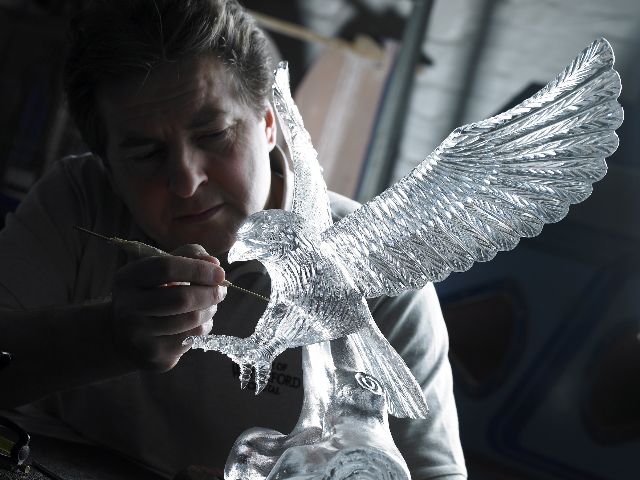
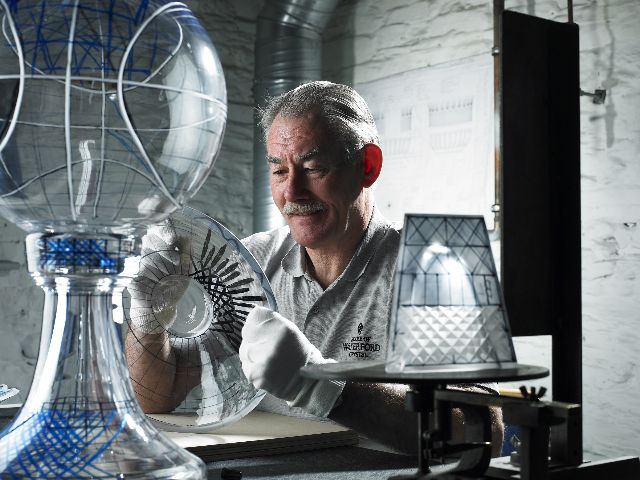
The last stages involve sculpting and engraving, and they are arguably the most precision-based parts of the creation process. Even without technical vocabulary, you will feel the shift in pace and focus. The work becomes less about forming a basic shape and more about controlling detail.
If you want the moment when the tour really earns your attention span, this is often it. Sculpting and engraving are where motifs become legible and patterns stop feeling random. They are what turn a piece into a design object, not just glass.
I like that the tour does not end right after cutting. Some factory tours rush straight to the showroom. Here, the sequence builds toward refinement, so by the time you reach the retail shop, you understand what you are seeing.
Retail shop finale: see the finished work in one shining place
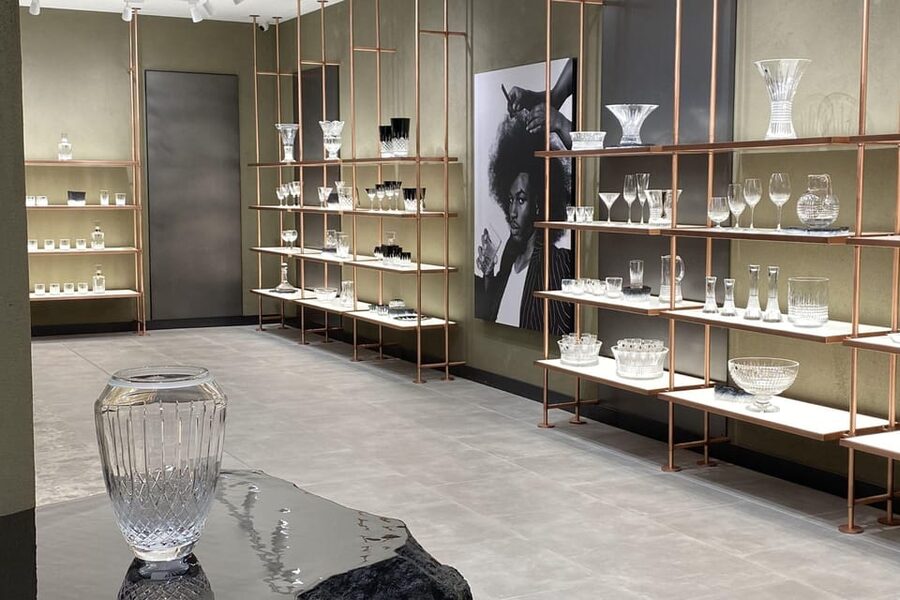
The tour ends in the House of Waterford retail shop, where you can explore an enormous display of Waterford crystal. The information provided notes it as the largest display of Waterford crystal in the world. Even if you do not plan to buy anything, it is worth the visit because it lets you match the craft steps you just watched with the objects now sitting neatly under lights.
This is also where shopping becomes smarter, because you can look for the kinds of details you saw in earlier rooms. You might notice how particular pieces reflect light differently, or how engraving patterns hold up visually from multiple angles.
If you do plan to buy, I suggest thinking in categories before you walk the aisles:
- Choose what you want it for, gift or home display.
- Focus on what you care about most, pattern, clarity, or shape.
- Set a ceiling on spending so the showroom does not gently steamroll your budget.
One more practical note: even though the tour includes the factory visit and the shop stop, it does not include souvenirs. That means you can treat the shop visit as optional unless you decide otherwise on the spot.
Guides, questions, and the workshop feel that sticks with you
A big reason this tour stays popular is the human element. Reviews repeatedly mention friendly staff and guides who clearly enjoy the craft and can answer questions. One review praised a guide named James as enthusiastic, with lots of passion and details kept interesting.
The format also supports interaction. The tour is described as interactive, with the ability to ask questions of the craftsman about their work. That changes how you experience a factory. Instead of guessing, you get explanations while your eyes are still on the exact process being discussed.
I also appreciate that the tour is run in a way that does not feel rushed. One review specifically said you are allowed to take your time going through the factory with no pressure. That makes a difference if you want to really stare at what the cutting or engraving looks like in motion.
Who should book this, and who might not
This tour suits you if you like craft, design, and the real steps behind luxury goods. You will enjoy it most if you are curious about how something becomes refined, not just that it is shiny.
It is also a good fit for families and mixed groups, as long as everyone is okay with a one-hour indoor workshop walk. If you want a hands-on class where you actually make crystal, this is not that kind of experience. The value is in watching and learning, plus Q and A.
If you have mobility needs, it is wheelchair accessible. Based on the tour description and what was reported in one review about accommodation, it sounds like the team understands how to support visitors. Still, you should plan for standing and moving through a working environment.
If you are only looking for a quick photo stop, you might feel it is too structured. But if you like learning what you are photographing, the tour makes those photos mean more.
Should you book the House of Waterford Factory Tour?
Book it if you want a focused, one-hour window into how world-famous crystal becomes real objects. For $20, the tour gives you history, process, and a retail finish that helps you connect craft stages to finished product. I also think it is a smart buy if you are the type who wonders why certain things cost what they do.
Skip it or consider another option if you dislike guided walkthroughs or you specifically want to do a hands-on making activity. This one is built around watching, learning, and asking questions, not creating.
If you are going to be in County Waterford, the timing and clear meeting point at The Mall make it easy to add. And once you see the mold room, blowing room, then the diamond wheel cutting and the precision engraving, you will understand why Waterford crystal keeps its appeal year after year.
FAQ
How long is the House of Waterford factory tour?
The tour duration is about 1 hour. Starting times depend on availability.
Where does the tour start and end?
It starts at The Mall, Waterford City and ends back at the same meeting point.
How much does the tour cost?
The price is $20 per person.
Is the tour guided, and what language is it in?
Yes, it is a guided tour with a live guide, and the language is English.
Is the tour wheelchair accessible?
Yes, the tour is wheelchair accessible.
Are meals, drinks, or souvenirs included?
No. Meals and drinks are not included, and souvenirs are not included.
Can I reserve and pay later, and is there free cancellation?
Yes, you can reserve now and pay later. Free cancellation is available up to 24 hours in advance for a full refund.
Freshly listed around Waterford
- Waterford Treasures: Walking Tour of the Viking Triangle★ 4.7 · 43 reviews
- Waterford: The Irish Wake Museum Guided Tour★ 4.8 · 6 reviews
- Waterford: Mount Congreve Gardens Entry Ticket★ 5.0 · 7 reviews
- Waterford Treasures: Medieval Museum Entry Ticket★ 4.5 · 20 reviews
- Waterford Treasures: Medieval Museum Admission Ticket★ 4.5 · 132 reviews
- Irelands Ancient East Waterford Greenway Cycle Tours & Bike Hire★ 3.5 · 16 reviews
- Waterford, Kilkenny and House of Waterford Crystal★ 4.0 · 12 reviews
- Osprey Viking Cruises★ 5.0 · 56 reviews
Waterford Tours, compared.
House of Waterford Crystal Guided Factory Tour
Read our review →
Skip the Line: Hook Lighthouse Entrance Ticket and Guided Tour
Read our review →
Waterford Treasures: Medieval Museum Admission Ticket
Read our review →
Irish Wake Museum Tour Rituals of Death and Celebration of Life
Read our review →


Waterford Treasures: Walking Tour of the Viking Triangle
Read our review →Browse the lists this tour appears in