
REVIEW · CITY TOURS
2 Hour Walking Tour of Dublin’s City Centre
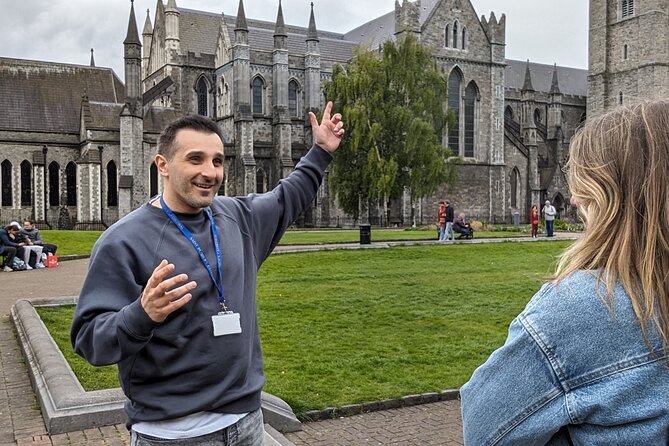
Two hours, and Dublin starts making sense. This 2-hour walking tour stitches together Dublin’s big landmarks fast, with a guide translating stone, streets, and symbols into stories you can actually remember. You can start in the morning or the afternoon, so you fit it into real plans instead of rearranging your whole day.
I love the easy starting point at the Gaiety Theatre, so you are not sprinting across Dublin hunting for your group. I also love the small-group feel (max 10), which keeps the pace human and the questions coming, like you get with guides such as Alin, who show up as funny, interactive, and prepared.
The possible drawback is simple: you only get about 15 minutes at each major stop. If you want to linger inside any cathedral or castle, this tour is more about orientation and context, not a long museum-style visit.
In This Review
- Key highlights that make this Dublin walk work
- Why this 2-hour Dublin city centre walk makes sense on Day One
- Starting at the Gaiety Theatre: an easy meet point, then straight into the stories
- St Patrick’s Cathedral: why this stop feels like a timeline you can walk through
- Dublin Castle and Christ Church: power in Anglo-Norman stone, plus Viking roots
- Temple Bar in 15 minutes: the quick reality check on Dublin’s nightlife zone
- Trinity College Dublin: seeing the campus with the Book of Kells spotlight
- Bank of Ireland: where old politics and modern streets meet
- St Stephen’s Green and Fusiliers Arch: a calm finish near the Luas
- Price and value: what you get for about $28.96 in Dublin
- Who should book this walk, and who might want more time
- Should you book this 2-hour Dublin city centre walking tour?
- FAQ
- Where does the tour start and end?
- How long is the tour?
- How much does it cost?
- Is it a small group tour?
- What language is the tour offered in?
- Are admission tickets included?
- Is the tour good for people with moderate walking ability?
- Can I get a refund if plans change?
Key highlights that make this Dublin walk work
- Small group up to 10 keeps it personal, even when you’re in the middle of the city crowd.
- A tight “greatest hits” route through St Patrick’s Cathedral, Dublin Castle, Christ Church, Temple Bar, Trinity College, and St Stephen’s Green.
- Story-first guiding with questions, mini challenges, and a notebook full of old photos in some runs.
- Free time at scenic landmarks like Temple Bar, Trinity College, and St Stephen’s Green, so you can actually take pictures.
- Ends at Fusiliers Arch in St Stephen’s Green, right by a Luas tram stop for an easy next step.
Why this 2-hour Dublin city centre walk makes sense on Day One
Dublin is compact, but it can still feel like a lot when you first arrive. A good city-centre walking tour is not about checking boxes, it’s about getting your bearings fast, so your next couple of hours become smarter. This one aims for exactly that, with a route that connects major power and faith sites to the parts of town you’ll likely explore again later.
The best part for me is the pacing. You are walking through the core of Dublin without spending your whole time stuck on a single corner. It’s also designed for different rhythms: you can do it on a morning start if you want your sightseeing energy early, or in the afternoon if you want to ease in after a meal.
Small group also changes the vibe. With no more than 10 people, it tends to feel like a conversation rather than a lecture. That shows up in the way guides keep participants engaged, with questions and games that even families have enjoyed.
More City Tours in Dublin
- From Dublin: Cliffs of Moher, Burren & Galway City Day Tour
★ 4.8 · 18,888 reviews - Dublin: Cliffs of Moher, Atlantic Edge & Galway City
★ 4.7 · 4,293 reviews - Dublin to Rock of Cashel, Cork City & Blarney Castle Guided Tour
★ 4.5 · 2,536 reviews
Starting at the Gaiety Theatre: an easy meet point, then straight into the stories
You begin at the Gaiety Theatre on King Street South, which is a practical choice. It’s central, easy to spot, and not one of those meeting points tucked behind a side street that only locals know. Starting here also sets the tone because the theatre district connects nicely to Dublin’s mix of culture and politics, even before you hit the first landmark.
From the start, the guide’s job is to make the route feel like a connected walk, not a series of separate stops. You do not just hear the names of places, you get the why, like how different eras left visible layers behind in architecture and street layout.
If you like tours where the guide actually talks like a real person, this is the format. People consistently praise guides for being friendly and engaging, and one thing that comes up is how interactive the group can be. That means you are not just standing around waiting for the next location.
St Patrick’s Cathedral: why this stop feels like a timeline you can walk through
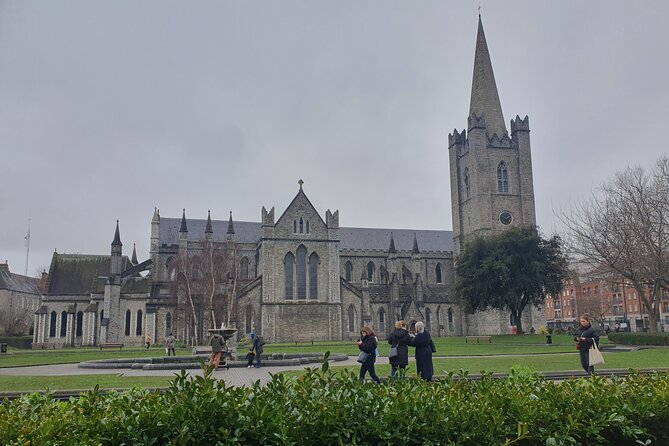
Saint Patrick’s Cathedral is one of those places where Dublin’s history is visible even when you are only seeing parts from the outside. The story goes beyond the famous name. You get a sense of how the site relates to St Patrick himself, plus how the building went through major changes over time.
This is also a stop where the tour’s short timing can work in your favor. In about 15 minutes, you are not trying to read every stone. You are getting the big ideas: the cathedral’s long life, the shifts in style and influence, and the way different groups shaped what stands today.
One practical consideration: admission is not included for this stop. So if you want interior time, plan for a separate visit later. If you mainly want context and exterior views, the tour still does its job because the guide frames what you are looking at so you know what matters.
Dublin Castle and Christ Church: power in Anglo-Norman stone, plus Viking roots
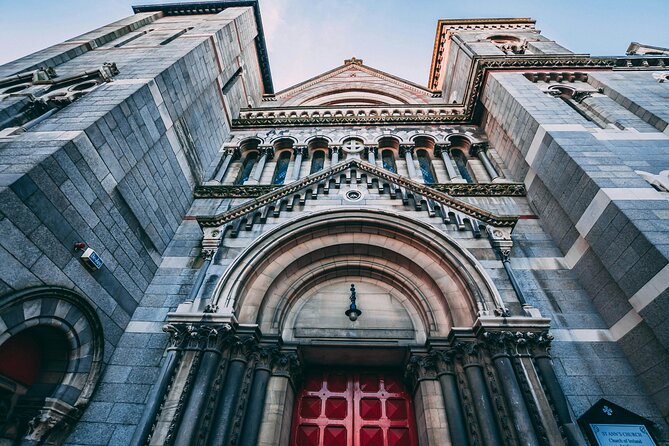
Dublin Castle is a highlight for many people, and it earns it with the kind of history that feels almost cinematic. The tour focuses on how Anglo-Normans built it, starting from a simpler tower and then growing into a grand complex. You also get the idea that this was a seat of power and, at different times, a prison, plus dramatic moments that left an impression in local lore.
Next, you move to Christ Church Cathedral, which is a smart pairing because it keeps the “history layers” theme going. You hear that it traces back to Viking influence around 1030, then you see how later rulers changed what the cathedral looked like. The guide also brings in the idea of 19th-century restoration funded by whiskey money, which is the kind of detail that makes the timeline stick.
Here’s how to use this stop well. Since admission is not included here either, treat the cathedral and castle time as a guided orientation. When you come back on your own later, you will understand what to look for, not just where to stand for a photo.
More Walking Tours in Dublin
- Dublin Highlights and Hidden Gems Guided Walking Tour
★ 5.0 · 6,020 reviews - Dublin: Highlights and Hidden Gems Walking Tour
★ 4.9 · 2,140 reviews - 1916 Rebellion Walking Tour
★ 5.0 · 1,605 reviews - 90 Minute Dublin Walking tour and Sightseeing tips
★ 5.0 · 916 reviews
Temple Bar in 15 minutes: the quick reality check on Dublin’s nightlife zone
Temple Bar is famous, and not always in the way people expect. The tour gives you the key context: it used to be more maze-like with a notorious reputation, and it has since evolved into the tourist hub you see today, with pubs and art spaces and that late-night energy.
For many visitors, this is a useful correction. You get to connect the neighborhood name to something real, instead of treating it like an icon that belongs only on postcards. After the 15 minutes, you are better equipped to decide how you want to experience Temple Bar, whether that means browsing an art space, grabbing a drink, or simply walking through without getting pulled into the most crowded spots.
Admission is listed as free for this stop, so you can linger a bit on your own if you want. If you are booking this tour early in your trip, Temple Bar is one of the areas where that timing matters, because it helps you avoid accidentally spending too much of your first evening in the busiest lanes.
Trinity College Dublin: seeing the campus with the Book of Kells spotlight
Trinity College Dublin gets name recognition for a reason, and the tour frames it around the campus and the legend of the Book of Kells. Even if your priority is not a museum visit right now, this stop still gives you value because it explains why Trinity matters in Dublin’s identity as a center of learning.
This is another stop where short timing can be perfect. In roughly 15 minutes, you get a sense of the academic atmosphere and the significance of the campus, then you can decide if you want to return later for the interior experience. That’s the real win of a highlight tour: it does not try to replace everything else. It sets you up.
Admission is listed as free for this stop, so you have freedom to take in the surroundings. Use that flexibility to slow down for photos and for reading the vibe of the campus. Then keep moving, because the rest of the walk connects the academic legacy to politics and governance you will see at the next stop.
Bank of Ireland: where old politics and modern streets meet
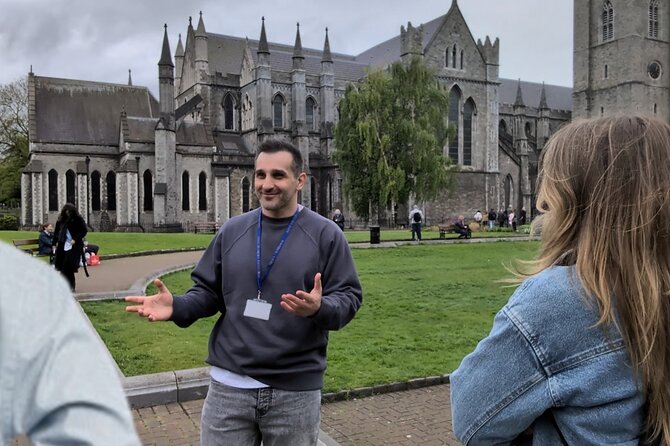
Next comes the Bank of Ireland area, tied to Irish politics and the Old Parliament House. This is one of those stops that helps you understand Dublin beyond famous religious buildings and tourist pubs. The tour points out the idea that this area was linked to political life and the Act of Union, and it also touches on how architecture inspiration traveled into grand buildings later on.
If you tend to enjoy “how the city works” history, you will likely enjoy this segment. It shows that Dublin’s story is not only about medieval legends and cathedrals. It’s about decisions made in specific spaces, and those spaces leave marks in the streetscape.
Because admission is listed as free here, this is a stop you can use for quick orientation without worrying about tickets. You get the meaning, then you move on with a stronger sense of what the building represents.
St Stephen’s Green and Fusiliers Arch: a calm finish near the Luas
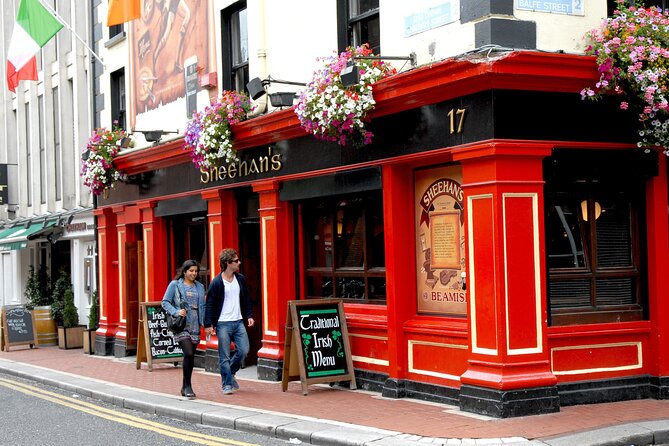
You end at Fusiliers Arch in St Stephen’s Green, right at the main entrance to the park on Grafton Street. That matters more than it sounds. You finish in a place that is walkable, relaxing, and connected to public transit. The Luas tram stop nearby is an easy way to continue your day without another long trek.
St Stephen’s Green also has a great story. It once served as an exclusive green space for Dublin’s elite, helped along by the Guinness family, and it became a public park that everyone can enjoy. The tour’s emphasis makes the park feel less like a generic green patch and more like a social history in miniature.
Since this segment ends the guided portion, it’s a good moment to plan your next move. If you want a pub meal, a shopping walk, or a visit to another nearby attraction, your location gives you options. And because you have a guided context for the surrounding areas, you will navigate more confidently afterward.
Price and value: what you get for about $28.96 in Dublin
At $28.96 per person for around 2 hours, you are paying for a guide, a curated route, and the convenience of not having to map everything yourself. This is where the value shows: you are seeing a high concentration of top Dublin sites in a short time, while the guide gives you context that you would otherwise have to assemble from multiple guidebooks and web pages.
The tour includes a fun introduction with an engaging guide, but admissions are not included across the board. Some stops list admission tickets as not included, while others are marked as free for the stop experience. So think of the price as paying for guidance and time efficiency, not for museum entries.
If you are the type of traveler who likes to return later for deeper visits, this pricing model is often perfect. You get the orientation now, then you choose which places are worth your ticket and your patience later.
Who should book this walk, and who might want more time
This tour fits best if you want a first-timer route through Dublin city centre. It is especially good for people who do not want the hassle of planning every turn, but still want the city to make sense. Families often do well too, because guides use interactive moments like questions, quizzes, and games that keep kids engaged.
It also works well for mixed ages. One family group described enjoying the tour across ages from 11 to 15, and another multi-generational group said the guide made it enjoyable for a younger adult and an older parent. That’s a strong sign that the pacing and delivery handle different attention spans.
Who might want more? If you love churches and castles for hours at a time, you may feel ready for a longer visit than 15 minutes. Also, since some sites have admission not included, you will still need separate tickets if you want interior time.
Should you book this 2-hour Dublin city centre walking tour?
I think you should book it if you want a fast, guided orientation through Dublin’s most recognizable sights, with a guide who keeps people engaged and makes the stories easy to follow. It’s a smart first stop on your trip, especially if you hate figuring out logistics on your own and you want a plan you can trust.
I would skip it or pair it with extra independent time if your main goal is long interior visits at cathedrals or castles. Use it to decide what deserves your next ticket, then go back when you have more time.
If you want my practical advice: do this early. Then spend the rest of your day walking with intention, not guesswork.
FAQ
Where does the tour start and end?
The tour starts at the Gaiety Theatre on King St S, Dublin 2. It ends at Fusiliers Arch in St Stephen’s Green, near the Luas tram stop.
How long is the tour?
It runs for about 2 hours.
How much does it cost?
It is priced at $28.96 per person.
Is it a small group tour?
Yes. It has a maximum of 10 travelers.
What language is the tour offered in?
The tour is offered in English.
Are admission tickets included?
Not all admissions are included. Some stops are marked as free, while others like St Patrick’s Cathedral, Dublin Castle, and Christ Church Cathedral list admission ticket not included.
Is the tour good for people with moderate walking ability?
It’s meant for travelers with a moderate physical fitness level.
Can I get a refund if plans change?
Free cancellation is available up to 24 hours in advance for a full refund. Changes made less than 24 hours before the start time are not accepted.
Freshly listed around Dublin
- Wicklow Mountains Private Day Tour including Glendalough★ 5.0 · 7 reviews
- Wicklow: Private Day Tour from Dublin★ 5.0 · 5 reviews
- Women Of Ireland: Trailblazers & Pioneers★ 5.0 · 4 reviews
- Full Day Private Wicklow Tour★ 5.0 · 12 reviews
- Wicklow tour of Glendalough★ 4.5 · 8 reviews
- Wicklow Mountains & Glendalough Luxury Private Day Tour★ 5.0 · 23 reviews
- Premium Irish Whiskey Tasting Hosted by Local Dublin Expert★ 5.0 · 77 reviews
- Whiskey Tasting Tour of Dublin★ 5.0 · 117 reviews
City Tours, compared.

Cliffs of Moher, Burren & Galway City Day Tour
Read our review →
Dublin to Rock of Cashel, Cork City & Blarney Castle Guided Tour
Read our review →
City Sightseeing Dublin Hop-On Hop-Off Bus Tour
Read our review →

Go City: Dublin Pass | Save up to 50% – Includes 35+ Things To Do
Read our review →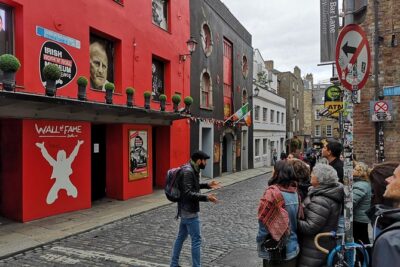

Aran Islands and Cliffs of Moher Day Cruise sailing from Galway City Docks
Read our review →Browse the lists this tour appears in