
REVIEW · HISTORICAL TOURS
Cork Chat and History Walking Tour
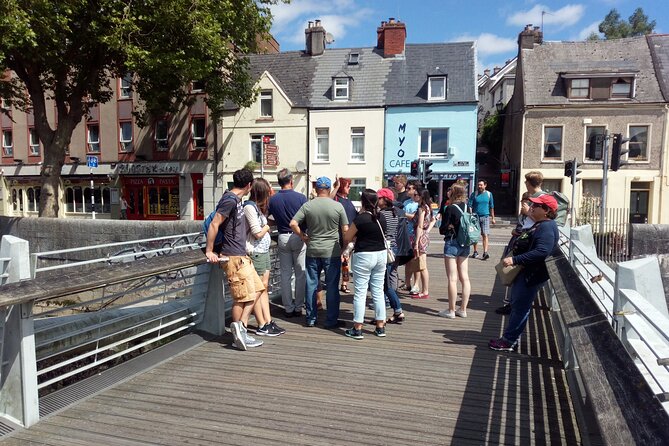
Cork walks are great when they do two things fast: point you somewhere and explain why. This one pairs Cork’s main sights with tight, story-driven stops, so you leave with names and context you will actually use. I especially like the way a guide can turn everyday places into a guided story you can follow. The experience is designed for real walking time with free entry at the stops that matter.
I also like that it hits a smart mix of food, architecture, and music stops in about two hours. You start on St. Patrick Street, move through the English Market, pause by the Gothic cathedral designed by William Burgess, then finish with the remnants of the old walled city at Bishop Lucey Park. If you want a quick Cork education without sprinting across town, this fits.
One thing to consider: the tour needs good weather, and it is a walking tour with multiple short stops. On rainy days or days with limited opening hours, you may not see every shopfront the same way, but the guide can still keep the stories going.
In This Review
- Key things you’ll notice on this Cork chat and history walk
- Why this 2-hour Cork walk works so well
- Meeting at Crawford Art Gallery, then stepping into the real city core
- St. Patrick Street (Pana) and the story behind the main shopping boulevard
- The English Market since 1788, and why food history still matters
- A Gothic cathedral by William Burgess, plus the angel trumpet legend
- Coal Quay Market and the old Corn Market built for commerce
- Rory Gallagher tribute, then the secondhand side of Cork
- Bishop Lucey Park and the wall remnants from the 12th century
- Price and logistics: what $276.93 per group really means
- Who should book this Cork chat and history walk
- Tips to get the most out of the stops
- Should you book Cork Chat and History?
- FAQ
- How long is the Cork Chat and History Walking Tour?
- What is the price for this tour?
- Is the tour private?
- Where is the meeting point?
- Where does the tour end?
- What language is the tour offered in?
- Is the ticket mobile?
- Is admission free at the stops included in the tour?
- Are service animals allowed?
- Is good weather required?
- What is the cancellation policy window?
Key things you’ll notice on this Cork chat and history walk
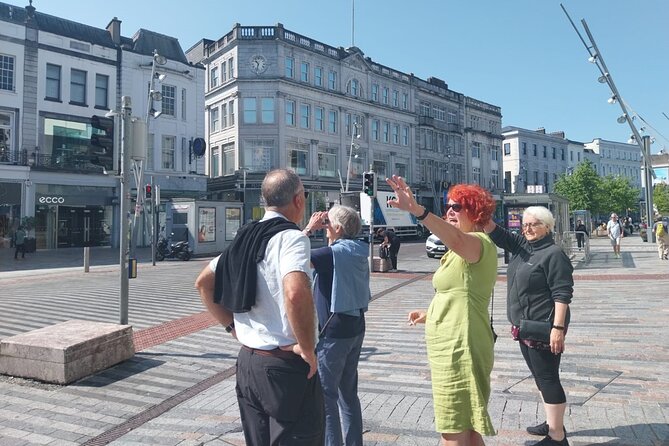
- St. Patrick Street, aka Pana, with the burning of Cork in 1920 explained in plain terms
- English Market (since 1788), where you see why Cork built its reputation around food
- William Burgess Gothic cathedral details, including the famous angel trumpet story tied to the Last Day
- Coal Quay and the old Corn Market, including the Cork crest first used in 1458
- Rory Gallagher tribute and Cork’s secondhand clothing and book scene in the same loop
- Bishop Lucey Park, where you can spot remnants of a 12th-century city wall
Why this 2-hour Cork walk works so well
If you’re only in Cork for a short window, you want your first walk to do three jobs. It should help you orient yourself fast, show you what Cork locals actually spend time around, and give you enough background that later you can explore on your own.
This tour does that by keeping stops close together and story-focused. You’ll be moving through the core of the city, with a sequence that makes sense: shopping street history first, then food history, then religious and civic landmarks, then music and the lived-in side of Cork, ending with the physical reminder that the city used to be walled.
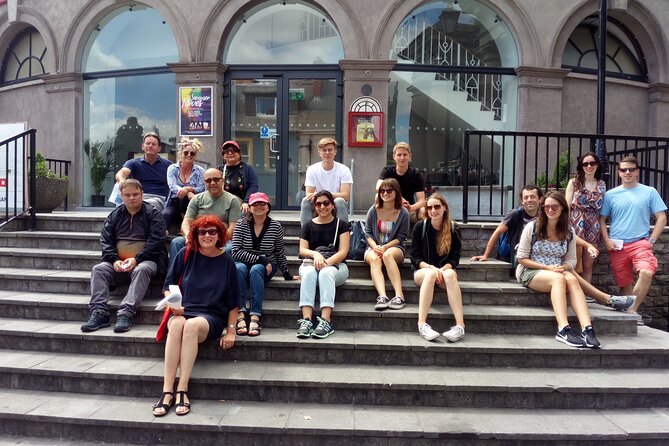
You’re also getting a private setup for up to 6 people. That matters because questions can stay specific. If you want to know what something means, you can ask, instead of waiting your turn in a crowd.
More History Tours in Cork
- Cork: Guided Historical Walking Tour
★ 4.7 · 310 reviews - Historic Cork Delicious Donut Adventure by Underground Donut Tour
★ 5.0 · 232 reviews - The Queenstown Story @ Cobh Heritage Centre , Great Stories of Emigration.
★ 4.5 · 181 reviews
Meeting at Crawford Art Gallery, then stepping into the real city core
Your tour starts at Crawford Art Gallery, on Emmett Place in Cork, beside the Opera House. That’s a good starting point because it drops you near the heart of the action, without forcing you to arrive far out.
You’ll get a mobile ticket, and the whole plan is offered in English. The tour also runs on a simple rhythm: multiple short stops, each about 5 to 10 minutes, plus walking time included in the total duration.
In practical terms, this is the kind of timing that prevents the classic walking-tour problem, where you spend half your time checking maps and feeling lost. Instead, you’re guided from stop to stop while you learn the city’s “why.”
St. Patrick Street (Pana) and the story behind the main shopping boulevard
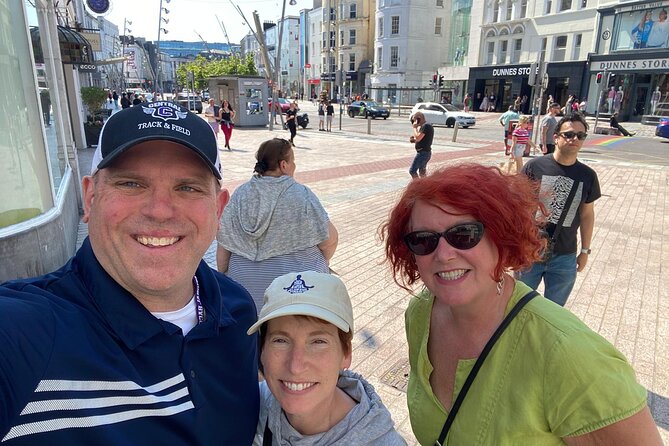
St. Patrick Street is Cork’s main shopping boulevard, and locals call it Pana. That nickname is the kind of detail that makes a tour feel local rather than generic.
Here’s the payoff: you’re not just walking past storefronts. You’re learning the layers. The most striking story tied to this street is the burning of Cork in 1920. The guide’s job is to connect that event to the street’s place in everyday life now, so it stops being an isolated historical fact and starts feeling like part of the city’s identity.
A quick consideration: because this is a shopping street, it can feel more open and exposed than a park or an interior market. If the weather is cold, you’ll appreciate layers. If it’s sunny, you get a good walkable corridor and easy orientation.
What I like most about starting here is momentum. By the time you finish the Pana segment, you understand where the city’s “center line” is, and you’ll be better at finding your own way later.
The English Market since 1788, and why food history still matters
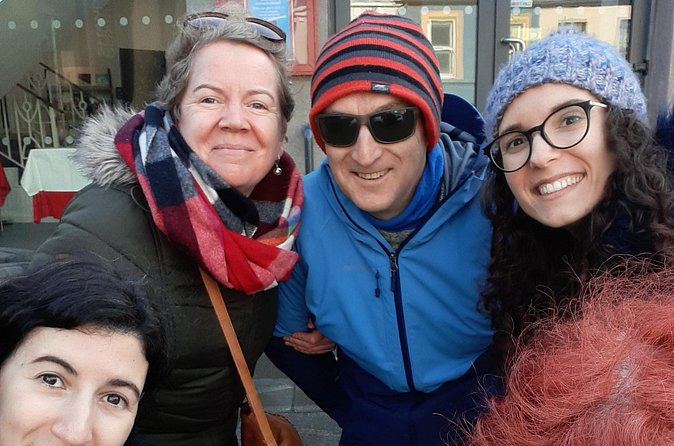
Next comes the English Market, and this stop is a big reason food lovers choose the tour. It’s the oldest food market in Ireland, dating from 1788, and it is still one of the most loved places to shop for local food in Cork.
This is also where you can shift gears from “what happened” to “what people still do.” You’ll get a chance to look at a market environment that has lasted through centuries, and that makes it easier to understand how Cork became known as a place where everyday life includes great food.
Even if you’re not buying anything, the value is in noticing what’s there. You’ll see the range of what people sell, from cheeses to olives. The English Market also covers the more adventurous food items, including tripe and drisheen. If you like learning by looking, this is a memorable stop.
One practical note: markets can have hours or closures depending on the day. If you happen to visit when access is limited, you can still learn the history and vibe here, but your “shopping time” might be shorter than you’d expect. If you’re planning to buy food, consider building in a bit of flexibility.
More Walking Tours in Cork
- Titanic Trail Guided Walking Tour Cobh
★ 5.0 · 253 reviews - The Titanic Trail: 1-Hour Guided Walking Tour of Cobh
★ 4.8 · 78 reviews - Cork Instagram Photography Walking Tour
★ 5.0 · 54 reviews - Cobh: Guided Historic Walking Tour
★ 4.6 · 32 reviews
A Gothic cathedral by William Burgess, plus the angel trumpet legend
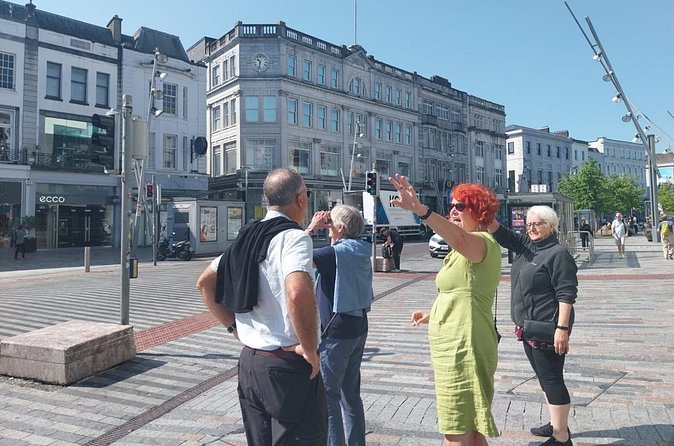
Then you’ll reach a cathedral designed by architect William Burgess. It’s Gothic in style, with a look that people often compare to Notre Dame, at least in overall feel and design language.
But the most memorable part is the story you’ll hear about the angel who is said to play her trumpet on the Last Day, alerting Corkonians to get into heaven. Whether you approach it as a religious tradition, local legend, or a piece of how people process hope and fear, it’s the kind of detail that makes the architecture stick in your head.
When a tour includes a cathedral like this, it’s doing more than checking a landmark box. It gives you a landmark that has meaning, and the story makes it easier to remember.
If you’re someone who normally walks past churches without slowing down, this stop is designed to make you stop. You’ll stand there long enough to notice the design and long enough to understand why the angel story is famous here.
Coal Quay Market and the old Corn Market built for commerce
After the cathedral, the tour moves to Coal Quay Market. This is tied to the old Corn Market and the Coal Quay, and it’s where you’ll feel the city’s trading past.
The Corn Market dates from the 1720s and is one of the oldest buildings in Cork. That gives you a tangible sense of continuity, like you’re looking at a framework that helped the city function for generations.
Here’s a specific detail that’s especially fun: the city crest of Cork. It was first used in 1458 and is still in everyday use today. That’s a strong reminder that cities do not just change, they also keep symbols alive.
A quick consideration for this part of the walk: waterfront-adjacent areas can be windy. If you’re sensitive to weather, bring a light layer. Otherwise, enjoy the mix of old building and market life, because this stop is where the past feels practical.
Rory Gallagher tribute, then the secondhand side of Cork
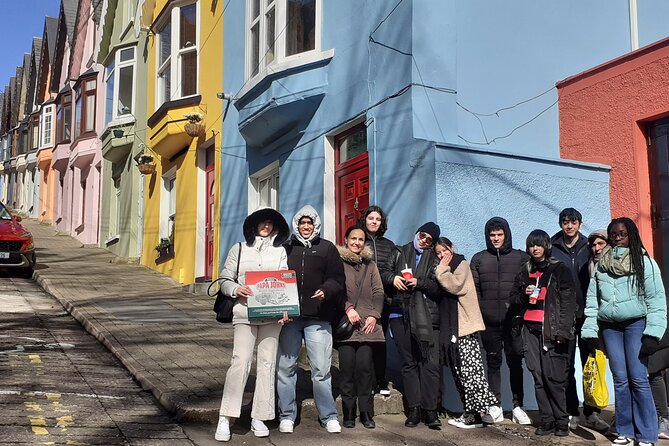
Next you’ll see a tribute to Rory Gallagher, one of the greatest guitarists of all time. Jimi Hendrix said he was the greatest guitarist in the world. That kind of statement is exactly why a music stop can feel more meaningful than just a photo stop.
Then the tour swings into the kind of browsing that makes Cork feel different from larger tourist cities. You’ll pass vintage and secondhand shops where you can find clothing, books, and all kinds of odds and ends.
This is a smart addition because it gives you a break from formal history. You get to see how locals style their lives and how the city values reuse and personal discovery. If you like thrift shopping, you’ll enjoy the layout of this area even if you do not buy anything.
If you don’t shop much, still take a look. Even window displays can tell you what people love here. You’ll also get a feel for whether this neighborhood is worth a longer solo wander later.
Bishop Lucey Park and the wall remnants from the 12th century
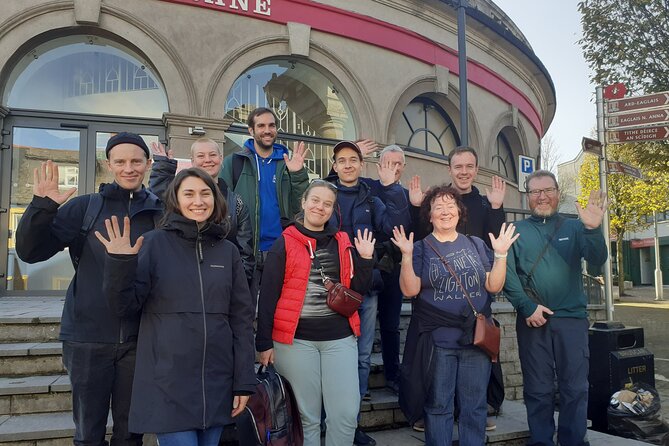
The final stop is Bishop Lucey Park. This is a calm transition after markets and streets, and the reason it lands here is historical logic.
When Cork was first built, it was fully walled. In Bishop Lucey Park, you can see remnants of that old city wall dating from the 12th century. That’s not a vague “ancient history” claim. You’re looking at stone that points back to a time when the city was organized around defense and controlled access.
What I like about ending here is that it gives you a physical anchor. After learning about street events, markets, and legends, the wall remnants show you the scale of how Cork functioned long ago.
It’s also a good moment to process what you learned. If you plan to explore later, this end point helps you imagine where the city boundaries used to be, and that can make your later wandering feel more intentional.
Price and logistics: what $276.93 per group really means
The price is $276.93 per group for up to 6 people. That means the value depends on your group size.
- If you’re splitting with fewer people, it can feel pricey.
- If you’re a small group filling the maximum, it becomes a very reasonable way to get a focused guide for a couple of hours.
Because it’s a private tour, you’re not paying for “being included.” You’re paying for a guided experience tuned to your pace. That’s a big deal in a city like Cork, where the stories can be detailed and small clues add up.
The tour also includes free admission at the stops where the information notes tickets are free. That keeps the budget predictable. And since walking time is included in the 2-hour duration, you’re not paying extra for idle waiting.
So if you want a short, high-impact walk with a guide who can explain what you’re seeing without turning it into a lecture, this price can be fair.
Who should book this Cork chat and history walk
This tour fits best if you:
- Want a first-time Cork orientation that is easy to follow
- Like history stories that connect to places you can still see today
- Prefer a small private group, where questions feel normal
- Want a mix of food market history and city landmarks, not just one theme
It’s also a good option if your group includes a mix of interests, because you’ll get architecture, markets, music, and everyday browsing all in one loop.
If your idea of a perfect tour is 90 minutes of museum interiors and quiet audio, you might prefer something else. This is street-level Cork. You walk, you look, you learn.
Tips to get the most out of the stops
A few practical moves help you enjoy the tour more.
Bring comfortable shoes. You’re moving from street to street and staying on your feet for a full two hours. Weather matters too, since the tour requires good weather.
When you reach the English Market and the shopping areas, slow down for a minute even if you’re not buying. The point is to notice details. The guide can point out what to look for, and your memory sticks better when you’ve spent a moment seeing it yourself.
And if you’re thinking about the cathedral and the story of the angel trumpet, give it a quiet minute with your guide’s description in mind. That kind of legend works best when you’re not rushing past it.
Should you book Cork Chat and History?
I’d book this tour if you want a smart, time-saving way to understand Cork in about two hours. The combination of St. Patrick Street (Pana), the English Market since 1788, the Gothic cathedral designed by William Burgess, the Coal Quay and Corn Market details like the 1458 crest, and the ending at Bishop Lucey Park makes it feel like a complete city snapshot, not a random checklist.
I’d think twice only if you’re traveling with limited tolerance for walking or you’re arriving on a day where the weather looks questionable. The tour is designed to run when Cork is at its best, so plan for that.
If you do book, choose a group size that makes the per-person cost comfortable, wear shoes you can trust, and keep your curiosity switched on. Cork’s streets are chatty, and with a good guide, you’ll hear why.
FAQ
How long is the Cork Chat and History Walking Tour?
It runs for about 2 hours, including walking time.
What is the price for this tour?
It costs $276.93 per group, for up to 6 people.
Is the tour private?
Yes. Only your group participates.
Where is the meeting point?
The tour starts at Crawford Art Gallery, 1 Emmett Pl, Centre, Cork, beside the Opera House.
Where does the tour end?
It ends at the same place as the meeting point, Crawford Art Gallery beside the Opera House.
What language is the tour offered in?
The tour is offered in English.
Is the ticket mobile?
Yes, you receive a mobile ticket.
Is admission free at the stops included in the tour?
The stops listed include admission ticket free.
Are service animals allowed?
Yes, service animals are allowed.
Is good weather required?
Yes. The experience requires good weather.
What is the cancellation policy window?
You can cancel up to 24 hours in advance for a full refund. If you cancel less than 24 hours before the start time, the amount you paid will not be refunded.
Freshly listed around Cork
- Wild Coast Bike and EBike Tour in Kinsale Cork Ireland★ 5.0 · 12 reviews
- Full-Day Private Whispers of Kerry Emerald Dreams Tour from Cork★ 5.0 · 6 reviews
- Kinsale and West Cork Classic Private Tour in modern a/c minibus★ 5.0 · 4 reviews
- Fota House, Arboretum & Gardens Admission Ticket★ 5.0 · 67 reviews
- Toe Head Clifftop Hike in West Cork★ 5.0 · 48 reviews
- Easy Access Blarney Stone and Castle Gardens Tour★ 4.5 · 105 reviews
- Private Ring of Kerry Highlights Tour from Cork, Car or Minibus★ 5.0 · 39 reviews
- Blarney,Cork City,Kinsale,Ultimate Private Guided Minibus Tour.★ 5.0 · 6 reviews
Historical Tours, compared.
Dublin Historical Centre Food Tour with 8 Food Tastings & Drinks
Read our review →
Historical 2-Hour Guided Walking Tour of Dublin
Read our review →
Dublin to Cork, Blarney Castle & Cóbh Heritage Centre by train
Read our review →
Jeanie Johnston Tall Ship Irish Famine History Tour
Read our review →
Deliciously Dublin: The Artisan Donut Walking & History Tour
Read our review →
Browse the lists this tour appears in