
REVIEW · HISTORICAL TOURS
Dublin LGBTQ Pride Historical and Cultural Walking Tour
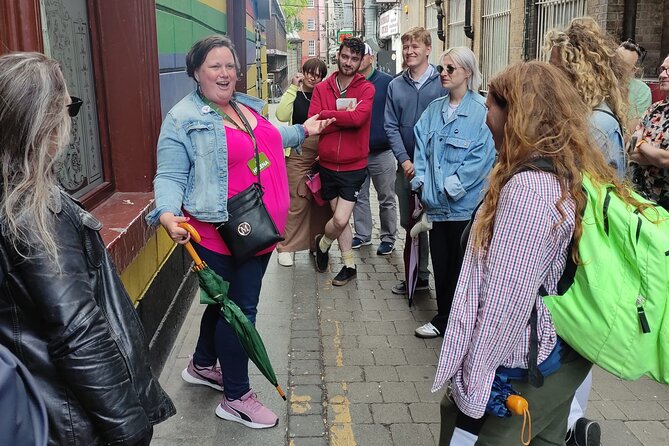
A queer-history walk in Dublin feels both sobering and energizing, and this tour hits that balance fast. I like that it strings together major city landmarks while keeping the focus on LGBTQ+ rights and cultural memory. I also love how easy it is to follow, with a clear start in Temple Bar and a finish at Dublin Castle in about two hours.
What makes this one especially worthwhile is the way your guide talks about people you might miss in a standard sightseeing day. You get stories that connect politics, public culture, and everyday spaces, with guides like Helena and Deidre praised for their energy and careful attention to names that deserve to be remembered.
One consideration: the walking is a bit brisk and most stops are short, so if you want to linger inside museums or read everything on your own, you may feel a little time pressure, especially near Temple Bar.
In This Review
- Key things that make this tour worth your time
- Temple Bar first, then Dublin Castle at the finish line
- The walking style: short stops, strong stories
- Stop by stop: what you see and why it matters
- 1) Temple Bar: start in the heart, then look closer
- 2) The bridge moment: Dublin’s best-known view, reframed
- 3) GPO Museum: Easter Rising context with queer figures in view
- 4) Abbey Theatre: national stage, modern LGBTQ+ voices
- 5) Liberty Hall: pride’s first steps and trans activism
- 6) Trinity College Dublin and College Green: alumni under the arch
- 7) Meeting House Square by Sean Harrington Architects: 1980s hope and change
- 8) Anna Livia: straddling Dublin’s fabled waterway
- 9) Temple Bar HQ area again: café, disco, cinema, and community space
- 10) The George Bar: a longstanding gay bar and cultural institution
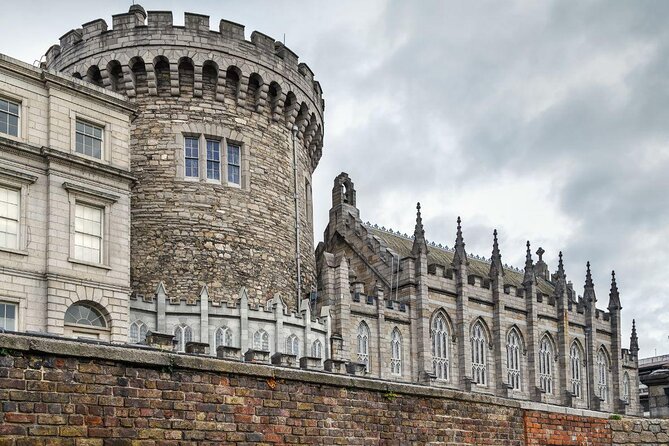
- 11) Finish at Dublin Castle: 1,200 years, right where you end
- Guides matter here, and the stories feel human
- Who should book this Dublin Pride walking tour
- Quick decision guide: should you book?
- FAQ
- Is the tour about LGBTQ+ pride history, or general nightlife?
- How long is the walking tour?
- What is the price per person?
- Where does the tour start and where does it end?
- Is admission included at every stop?
- What language is the tour offered in?
- Is the group size limited?
- Can I get a refund if my plans change?
Key things that make this tour worth your time
- Temple Bar as the launchpad: you start right in the heart of the area, then return to see the queer layers there.
- Real-world political context: the route connects Irish history landmarks like the GPO Museum to LGBTQ+ figures.
- Performance and public voices: Abbey Theatre gets treated as more than a building, it’s part of who shaped modern Ireland.
- Pride with a history lesson: Liberty Hall ties the first Irish gay pride parade to trans activism.
- College Green spotlight: Trinity College Dublin is included, with famous alumni areas and the surrounding grounds.
- A long stretch of queer Dublin nightlife sites: the walk includes long-running queer venues like The George Bar.
Temple Bar first, then Dublin Castle at the finish line
This is one of those walks that makes Dublin feel readable. You start in Temple Bar, then the route takes you across the city’s most famous streets and institutions, but with a queer lens that changes how you see what you pass. Even if you’ve been to Dublin before, you’ll likely notice details you would normally blow past.
The pacing works. With about two hours total, you’re not committing to an all-day plan, yet you still cover a serious chunk of central Dublin. The tour runs in English, uses a mobile ticket, and is capped at a maximum of 100 travelers, which helps keep it from feeling like a mega-group stampede.
Value matters here. The price is $29.02 per person, and multiple stops are listed with free admission for the time you’re there. That means you’re paying for expert storytelling and good routing more than for entry fees. The only spot where you should plan for a ticket cost is Trinity College Dublin, so it helps to budget a bit if you want to go in.
More History Tours in Dublin
- Dublin Historical Centre Food Tour with 8 Food Tastings & Drinks
★ 5.0 · 1,718 reviews - 2-Hour Historical Walking Tour from Dublin
★ 5.0 · 875 reviews - Historical 2-Hour Guided Walking Tour of Dublin
★ 4.7 · 865 reviews
The walking style: short stops, strong stories
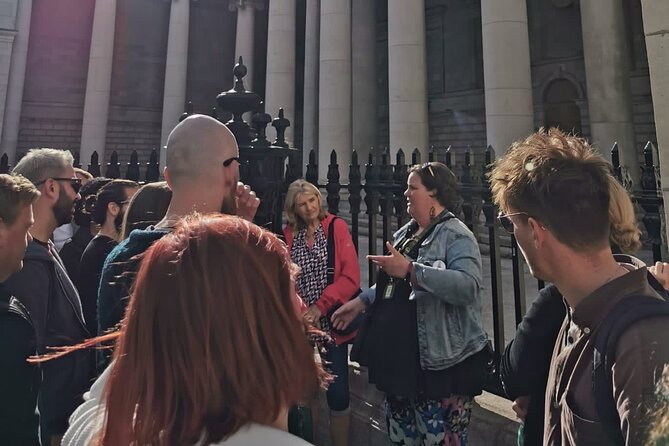
Most stops are around 10 minutes. That’s not a bug. It’s the whole format. You get just enough time to orient yourself on the spot, hear what matters, and connect that moment to the larger story of LGBTQ+ life in Ireland.
If you have moderate physical fitness, you’ll be fine. It’s city walking through central Dublin, and you’ll want normal shoes for uneven sidewalks and curb crossings. Public transportation is nearby, which is useful because the tour starts in the Temple Bar area and ends at Dublin Castle.
Also, you can travel with a service animal. That’s not something you always see clearly called out, so it’s a practical plus.
Stop by stop: what you see and why it matters
1) Temple Bar: start in the heart, then look closer
Meeting at 3 Crown Alley, Temple Bar puts you right where Dublin tourists love to photograph. But this tour treats Temple Bar as more than scenery. It’s a launching point for queer Dublin, and you’re not just passing through. You’re learning how cultural neighborhoods change over time.
You also circle back later in the tour, so the area does double duty. First, it helps you get oriented in the center of the action. Later, you re-read what you’ve already seen, which is a smart trick for memory. The tour also points you toward the queer headquarters side of Temple Bar, where you can pick up the sense that community spaces have always mattered, even when they were under pressure.
What I like: the guide doesn’t leave you with only inspiration. You also get the human side of identity in a place that’s famous for nightlife, music, and tourism. It gives the whole day a grounded feel instead of a museum-only vibe.
More Walking Tours in Dublin
- Dublin Highlights and Hidden Gems Guided Walking Tour
★ 5.0 · 6,020 reviews - Dublin: Highlights and Hidden Gems Walking Tour
★ 4.9 · 2,140 reviews - 1916 Rebellion Walking Tour
★ 5.0 · 1,605 reviews - 90 Minute Dublin Walking tour and Sightseeing tips
★ 5.0 · 916 reviews
2) The bridge moment: Dublin’s best-known view, reframed
At one point you cross Dublin’s most photographed bridge as you move between stops. If you’ve taken your share of city photos, you know that bridges can become “background.” Here, the guide uses that moment to help you transition from place to story.
This matters because the tour is building an argument as you walk: queer life is tied to public space. It’s linked to how people gather, how they protest, and how they get remembered or erased. The bridge works as a visual reset while the narrative changes track.
Practical tip: if you’re photographing, do it quickly. The tour keeps moving, and you’ll have more chances later.
3) GPO Museum: Easter Rising context with queer figures in view
The GPO Museum is tied to the 1916 Easter Rising, which is a major piece of Irish history. What makes this stop useful is how it reframes that history through specific LGBTQ+ figures connected to the events and their remembrance.
Even if the Easter Rising is already on your Dublin list, this is the kind of stop that adds a missing layer. You get a sense of how political moments shaped public identity and how LGBTQ+ people fit into national narratives in ways that are often left out.
This is also where I appreciate the tour’s balance. It doesn’t treat queer history as a separate bubble. It connects it to the mainstream stories Ireland tells about itself, which helps you understand why visibility and recognition are such a big deal.
4) Abbey Theatre: national stage, modern LGBTQ+ voices
Next comes Abbey Theatre, Ireland’s national stage. The tour uses the venue to talk about queer icons and their role in shaping modern Ireland’s cultural landscape. This is not just about who performed. It’s about who had a public voice and how storytelling can change attitudes.
If you like theater, you’ll enjoy the sense that you’re standing inside an engine of ideas. If you don’t, you’ll still get value because the guide links the institution to activism and visibility. Culture and rights move together more than people expect.
The stop is short, but the focus is sharp. You’ll walk away thinking about the power of performance as a public platform, not just entertainment.
5) Liberty Hall: pride’s first steps and trans activism
At Liberty Hall, you hear about the tragic and tumultuous circumstances around Ireland’s first ever gay pride parade. You also learn about an inspirational trans activist connected to the story.
This stop is where the tone can feel heavier, and it should. You’re dealing with the cost of public visibility when society is pushing back. The value here is that you get specifics instead of vague “progress over time” talk.
It’s also one reason this tour is a good primer if you want to understand Pride today. You see that Pride did not pop up from nowhere. It was fought for, and people took real risks.
6) Trinity College Dublin and College Green: alumni under the arch
Then the tour heads to Trinity College Dublin, one of the oldest and most famous colleges in Ireland. The guide points out LGBTQI+ alumni connected to the college and also includes time to explore the College Green area nearby.
One thing to plan for: admission at Trinity College Dublin is not included. If you want to enter or spend more time there, factor in that extra cost. If you prefer to stay outside and just absorb the surroundings, you can still get a lot out of the story and the setting.
This stop helps you widen the story beyond protests and nightlife. It reminds you that queer life also sits inside long-standing institutions, and that education and networks have played roles too.
7) Meeting House Square by Sean Harrington Architects: 1980s hope and change
The route brings you past Meeting House Square, associated with Sean Harrington Architects. Here, the focus shifts to the 1980s queer Dublin landscape.
The guide highlights people who brought hope and light to a community, plus change makers and thinkers from that era. This kind of stop is especially good on a walking tour because it makes you slow down and look at the built environment as a record of social priorities.
You might notice the tour isn’t only about names. It’s also about momentum: how communities find ways to keep going when mainstream culture doesn’t cooperate.
8) Anna Livia: straddling Dublin’s fabled waterway
You then loop through the Temple Bar area again and reach a famous waterway moment connected to Anna Livia. The tour has you straddle the waterway on both sides during your time together.
Waterways are perfect for this kind of storytelling because they naturally separate “before” and “after,” north and south, old town and new. The guide uses the moment to keep the narrative moving, while you get a classic Dublin view.
Even if you don’t remember every fact, these visual punctuation marks help you keep the day organized in your head.
9) Temple Bar HQ area again: café, disco, cinema, and community space
Back around Temple Bar, you look at the other end of the area and the site described as Ireland’s first ever bona fide gay headquarters. The tour points out what made the space feel complete: a café, a disco, a cinema, and more.
That detail matters because it signals something beyond politics. It signals community infrastructure. When a place has food, music, movies, and a meeting point, it’s not only for one kind of event. It becomes a home base.
If you’re the type who likes to understand the social side of history, this stop is a highlight.
10) The George Bar: a longstanding gay bar and cultural institution
Next is The George Bar, described as Dublin’s oldest operating gay bar and a cultural institution. This stop is where the tour feels closest to Dublin today, because a bar is where stories live in real time.
The guide talks about why the pub still holds a central place in the LGBTQ+ community. You also get context for how social spaces preserve identity through decades, especially when laws and norms are changing.
It’s one of those “see it now, understand it later” stops. Even if you don’t plan on going out after, you’ll leave with a better sense of what these places mean beyond nightlife.
11) Finish at Dublin Castle: 1,200 years, right where you end
The tour ends at the upper courtyard of Dublin Castle. It’s hard to top the symbolism of finishing with a site known for long reigns, administrations, and public power.
You’re not just “done.” You finish in a place that represents authority and national identity, and you’ve spent the walk connecting that to queer history and visibility. That contrast is part of the day’s message: queer people have always been part of the national story, even when they weren’t treated that way publicly.
Guides matter here, and the stories feel human
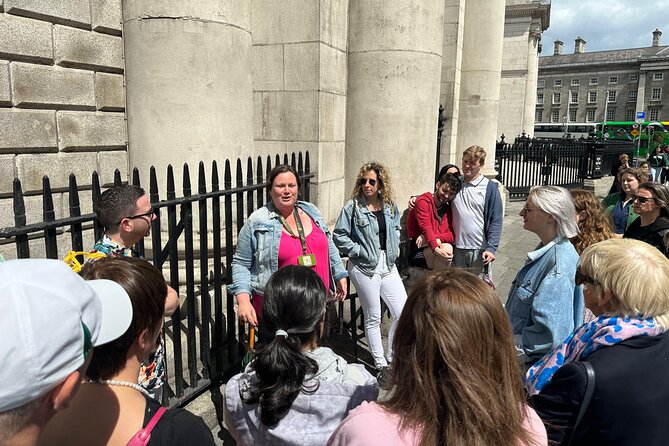
This is the kind of tour where the guide’s voice makes the difference between facts and feeling. The names that come up again and again are Helena and Deidre. Both are praised for being energetic and passionate, and for keeping the focus on people and history that might be overlooked.
I especially like that the storytelling is credited not only to LGBTQ+ history, but also to wider rights movements. That blend matters because it helps you see the networks between struggles, and how visibility often depends on broader allies and pressure.
You also get practical value. One review focus is that you learn where to find queer bars, so the tour doubles as a map for after-hours planning. Even if you don’t want to bar-hop, it’s a useful way to learn what’s still alive in the city.
Who should book this Dublin Pride walking tour
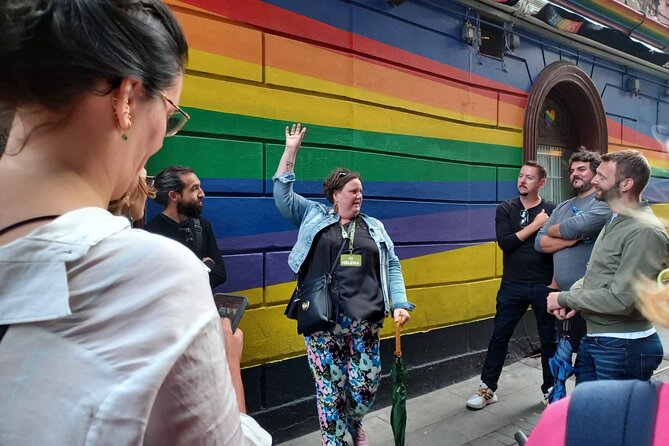
Book it if you want:
- A two-hour central Dublin walk that covers major landmarks without being a giant day-long project
- A queer lens on mainstream sites, like the GPO Museum and Trinity College
- A guide-led narrative with energetic storytelling and attention to names
It may not be your best fit if:
- You prefer long museum time at each location
- You want a strictly nightlife-focused route, because the tour is history and culture first
- You dislike walking short distances between frequent stops
Quick decision guide: should you book?
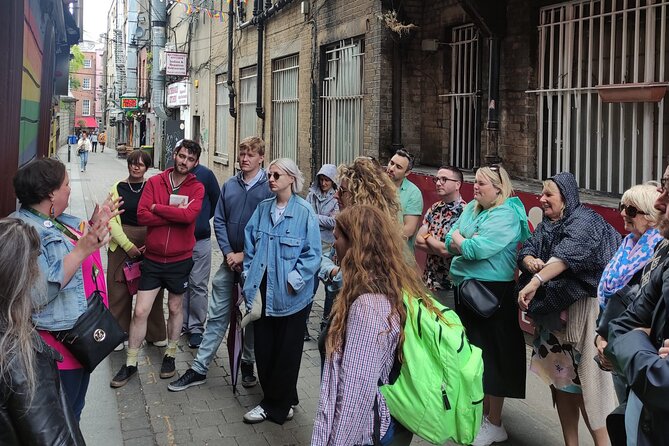
If you’re trying to choose one “queer history” experience in Dublin, this is a strong candidate because it blends big institutions (Abbey Theatre, Trinity College, Dublin Castle) with community spaces (Temple Bar headquarters area, The George Bar). The format is also efficient. You get a lot of narrative in a manageable time block.
Go for it if you like walking tours where the guide explains why certain places matter, not just what they look like. Skip it if you’d rather do one museum day slowly, because the short-stop pacing is built for overview and orientation.
FAQ
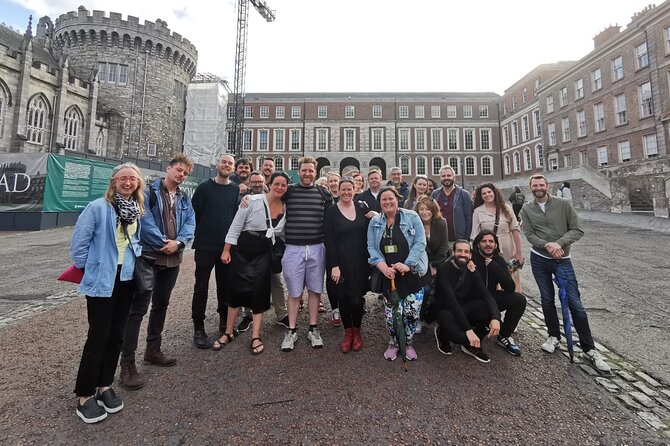
Is the tour about LGBTQ+ pride history, or general nightlife?
It’s focused on LGBTQ+ historical and cultural storytelling across central Dublin, including landmarks tied to key events and community spaces like LGBTQ+ headquarters sites and a long-running gay bar.
How long is the walking tour?
The duration is about 2 hours.
What is the price per person?
The price is $29.02 per person.
Where does the tour start and where does it end?
It starts at 3 Crown Alley, Temple Bar, Dublin, D02 CX67, Ireland and ends in the upper courtyard of Dublin Castle (Dublin 8).
Is admission included at every stop?
Admission is listed as free at several stops, but Trinity College Dublin admission is not included.
What language is the tour offered in?
The tour is offered in English.
Is the group size limited?
Yes. The experience has a maximum of 100 travelers.
Can I get a refund if my plans change?
Free cancellation is available if you cancel up to 24 hours in advance for a full refund.
Freshly listed around Dublin
- Wicklow Mountains Private Day Tour including Glendalough★ 5.0 · 7 reviews
- Wicklow: Private Day Tour from Dublin★ 5.0 · 5 reviews
- Women Of Ireland: Trailblazers & Pioneers★ 5.0 · 4 reviews
- Wicklow tour of Glendalough★ 4.5 · 8 reviews
- Full Day Private Wicklow Tour★ 5.0 · 12 reviews
- Wicklow Mountains & Glendalough Luxury Private Day Tour★ 5.0 · 23 reviews
- Premium Irish Whiskey Tasting Hosted by Local Dublin Expert★ 5.0 · 77 reviews
- Whiskey Tasting Tour of Dublin★ 5.0 · 117 reviews
Historical Tours, compared.
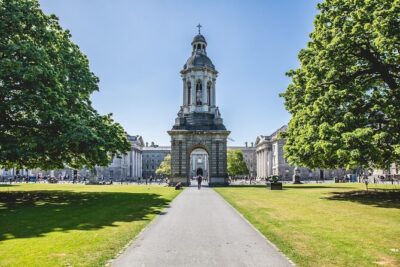
Dublin Historical Centre Food Tour with 8 Food Tastings & Drinks
Read our review →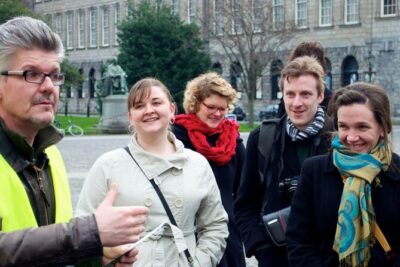
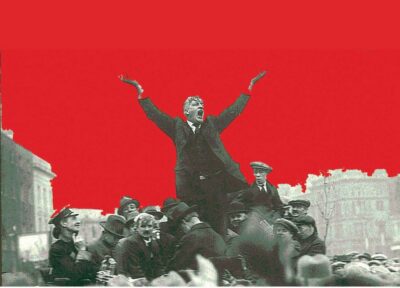
Historical 2-Hour Guided Walking Tour of Dublin
Read our review →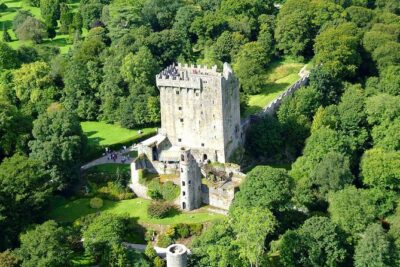
Dublin to Cork, Blarney Castle & Cóbh Heritage Centre by train
Read our review →
Jeanie Johnston Tall Ship Irish Famine History Tour
Read our review →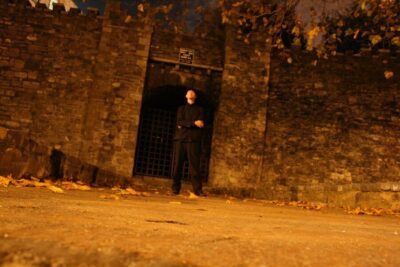

Deliciously Dublin: The Artisan Donut Walking & History Tour
Read our review →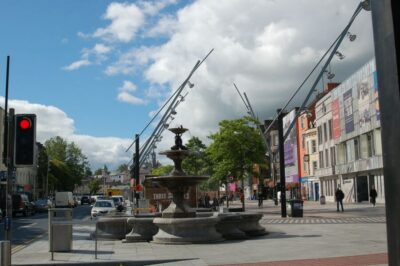
Browse the lists this tour appears in