
REVIEW · HISTORICAL TOURS
Dublin: Macabre History Walking Tour
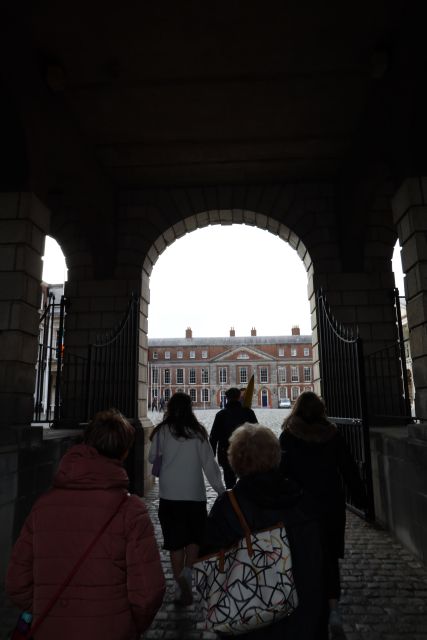
Dublin has a darker side you can walk. This 2-hour guided macabre history stroll threads Dublin’s brutal stories through the old city center, including both sides of the river, as the guide ties each tale to real streets. I love how the stories feel human and immediate, especially when guides like Peter and Rob add character and humor while pointing out the kind of details you would otherwise miss. I also like the pacing, it keeps moving so you get variety across eras without feeling rushed or stuck in one gloomy spot.
One caution before you book: the subject matter is grim, and it’s aimed at adults, but it is not nonstop gore. If you want constant blood-and-bones spectacle on every corner, you may find it more story focused than painfully graphic. The tour meets at a simple, easy landmark too, the Spire in the middle of O’Connell Street, and you’re meant to look for the yellow umbrella.
In This Review
- Key highlights worth showing up for
- Finding the Yellow Umbrella by O’Connell Street’s Spire
- A 2-Hour Walk Through Executions, Quarantines, and City Walls
- The Death of Cuchulainn, Ravens, and a Statue Stop You’ll Remember
- Grave Robbing by the Mortuary and the Stories Behind Mummified Corpses
- Serial Killers, Legless Horrors, and Man-Eating Rats in Back Alleys
- Medieval Quarantines and Public Executions, Told with Dark Humor
- Ending Near the Cathedral with Dublin’s Infamous Brothel Keeper
- Is This Tour Worth $19? Value, Sensitivity, and Who It Suits
- Should you book the Dublin Macabre History Walking Tour?
- FAQ
- Where does the Dublin tour start?
- Where does the tour end?
- How long is the tour?
- How much does it cost?
- Is hotel pickup or drop-off included?
- What language is the guide?
- Is the tour wheelchair accessible?
- Is the tour suitable for children?
- Is there free cancellation?
- Can I reserve without paying right away?
Key highlights worth showing up for
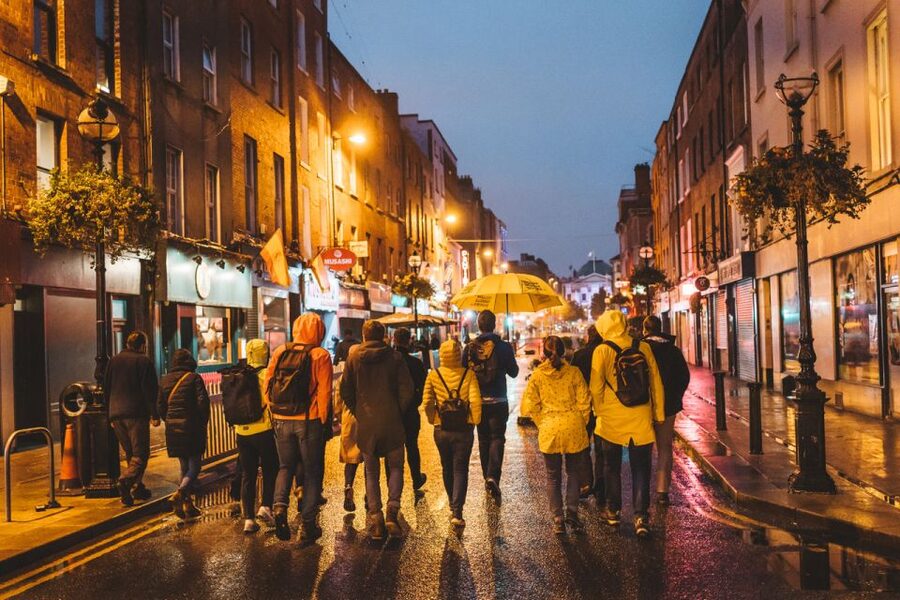
- Start at the Spire on O’Connell Street, right where you can orient yourself fast
- Statue stop for the Death of Cuchulainn, built around one of Dublin’s standout legends
- 19th-century grave robbing by the city mortuary, paired with talk of mummified remains
- Medieval quarantines and public executions, presented as urban history, not just shock value
- Legless serial killer and man-eating rats, the kind of Dublin street folklore you’ll remember
Finding the Yellow Umbrella by O’Connell Street’s Spire
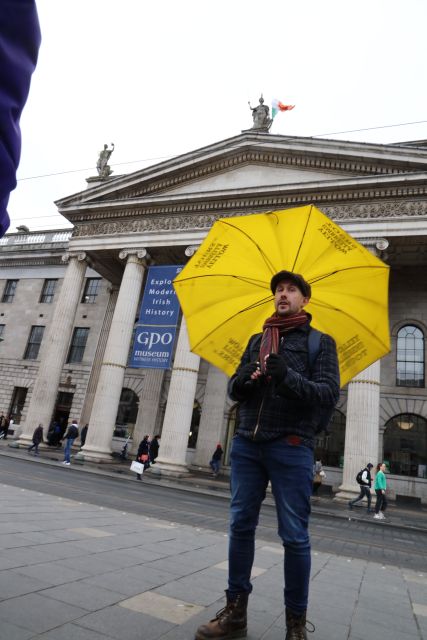
The whole experience is built around an easy meeting point: the tour starts beside the Spire in the middle of O’Connell Street. Show up a few minutes early, stand near the Spire, and look for the yellow umbrella.
Small practical tip: don’t assume there’s only one umbrella. More than one guide can be in the same area at the same time, so if you see multiple yellow umbrellas, scan for your specific group and guide. Once you’re in, the guide keeps things moving and the group typically stays small, which makes it easier to ask questions.
Because it is a walking tour with no hotel pickup, you’ll want to plan your day so you can get there on time under your own steam. This part matters. Dublin’s center is easy, but it’s also busy, and good tours start cleanly on schedule.
More History Tours in Dublin
- Dublin Historical Centre Food Tour with 8 Food Tastings & Drinks
★ 5.0 · 1,718 reviews - 2-Hour Historical Walking Tour from Dublin
★ 5.0 · 875 reviews - Historical 2-Hour Guided Walking Tour of Dublin
★ 4.7 · 865 reviews
A 2-Hour Walk Through Executions, Quarantines, and City Walls
This tour is designed as a compact street journey. You’ll spend about two hours walking through older parts of the city center, including areas close to the historic city walls and routes that place you on both sides of the river. That matters more than it sounds. When stories shift between waterfront, alleyways, and main streets, Dublin’s history stops being abstract.
What you can expect from the guide style is consistent from the strongest feedback: they tell the tales like they’re telling you something that actually happened, and they keep the energy up. You’ll get humor, but not in a careless way. The goal feels like clarity: grim events explained in plain language, with enough drama to make it stick.
Stops like these are also where you understand how cities behave. Quarantines, crowds, executions, and grave related crimes weren’t random. They were systems. The tour treats them that way, then layers in the colorful, creepy details that make the facts memorable.
There’s also a reason this kind of walk works well: you pass real architecture and street lines while the guide describes what people did there. If you love walking tours for atmosphere, this one gives you atmosphere with bite.
The Death of Cuchulainn, Ravens, and a Statue Stop You’ll Remember
One of the headline moments is the Statue of Cuchulainn’s Death. Even if you know the name, the story behind the statue is the point. Cuchulainn is one of Ireland’s mighty warrior figures, and the tale linked to this stop has a disturbing twist, with his eyes pecked out by a raven on his shoulder.
Why this matters on a Dublin macabre tour: it shows that the darkness here is not only “modern crime.” It reaches into myth, where violence is part of the moral lesson, part of the legend, and part of how communities keep their stories alive. You’ll get the sense that the macabre theme is broad in Ireland, not just a 19th-century fascination.
If you’re the type who likes legends explained without getting bogged down in scholarship, this stop fits that mood. You’ll also get a visual anchor, so later when you’re walking on your own, you’ll remember the statue and the scene.
Grave Robbing by the Mortuary and the Stories Behind Mummified Corpses
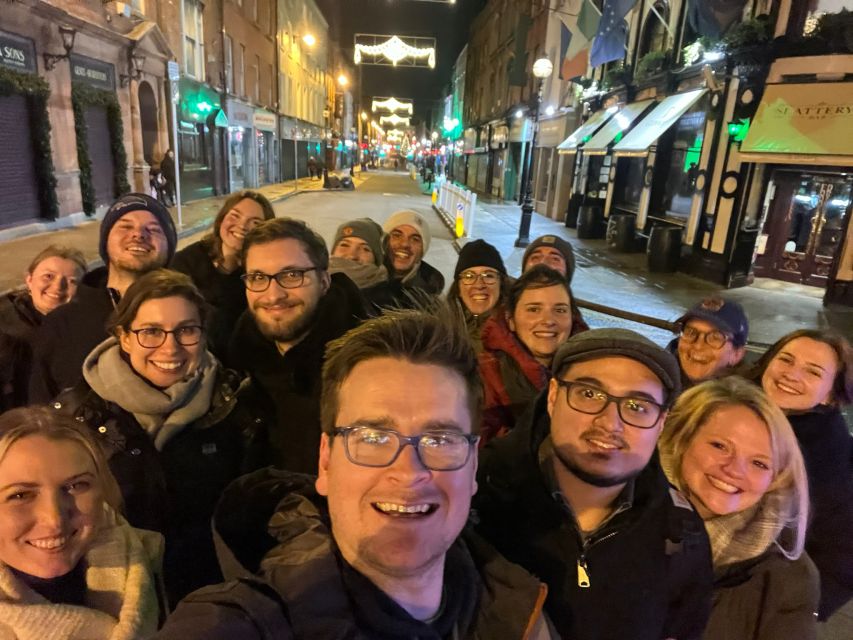
Dublin takes a turn into something extra unsettling near the talk of the city’s mortuary. The tour includes the story of thriving 19th-century grave robbing alongside the mortuary area, and it connects that to the period’s obsession with remains.
The grimness here is not random. The guide’s framing makes it about demand: bodies were used, studied, or exploited. That’s the historical logic. Then you get the “how did this work in real life” feeling, with details like mummified corpses entering the story as evidence of how far people will go when they treat death like a product.
This is also where you’ll appreciate the guide’s delivery. Strong storytelling helps you understand what happened without turning away from it too soon. If you’re sensitive to death-related topics, consider taking it slow. You do not have to rush past these parts mentally just because the group is walking.
If you want one takeaway, it’s this: the tour doesn’t just chase shock. It explains why certain crimes and rumors grew in a city, and how those events shaped places that still exist on the map today.
More Walking Tours in Dublin
- Dublin Highlights and Hidden Gems Guided Walking Tour
★ 5.0 · 6,020 reviews - Dublin: Highlights and Hidden Gems Walking Tour
★ 4.9 · 2,140 reviews - 1916 Rebellion Walking Tour
★ 5.0 · 1,605 reviews - 90 Minute Dublin Walking tour and Sightseeing tips
★ 5.0 · 916 reviews
Serial Killers, Legless Horrors, and Man-Eating Rats in Back Alleys
Some tours give you spooky sounds. This one gives you street level nightmare fuel. It includes stops or story beats connected to the legless serial killer and man-eating rats, and it ties these ideas to places you might otherwise walk past without noticing.
The rats part is especially memorable because it’s not only a metaphor. It’s the kind of historical fear that fits a dense city with alleys, refuse, and cramped housing. When the guide describes what people believed and feared, the city feels more real. You can almost see how rumor would spread when everyone is living close together.
The serial killer angle does a similar thing. It brings danger into the everyday. Instead of making it feel like a distant headline, it gets placed into the rhythm of the city, the kind of place where a person could disappear into side streets and unknown corners.
One thing I like about this section is that the guide keeps it understandable. You’re not drowning in names and timelines. You’re getting a set of vivid stories with enough context to connect them back to Dublin’s streets.
Medieval Quarantines and Public Executions, Told with Dark Humor
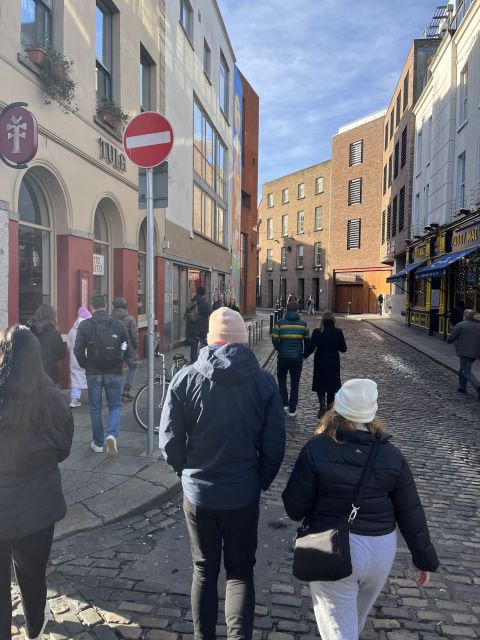
The tour moves through medieval quarantines and public executions themes, and that combination is smart. Quarantines show the fear of invisible threats. Public executions show the theater of punishment. Put together, you see how a city manages danger, one through restriction and one through spectacle.
The guide’s style is key here. The strongest feedback highlights humor and acting out elements of the stories, in the sense that the guide makes the characters and the moment feel present. That can sound risky on a subject like executions, but when it works, it helps you listen longer and understand more.
Still, keep expectations grounded. You’re on a walking tour, not a performance. If you’re hoping for a heavy dramatization every time, you might only get it for certain beats. On the other hand, if you like history that stays human, this approach helps.
This is also a good segment for questions. When you’re standing near older street patterns, you’ll naturally want to ask how things were laid out, where crowds gathered, and what life was like in those eras.
Ending Near the Cathedral with Dublin’s Infamous Brothel Keeper
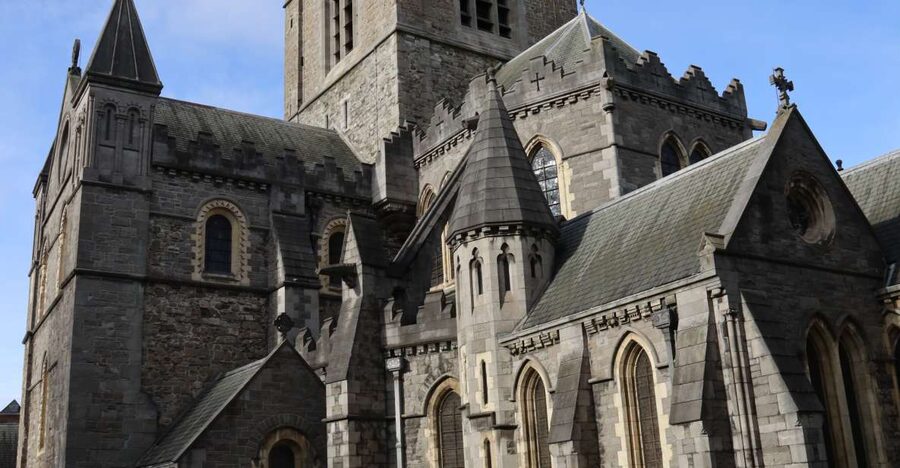
The tour finishes near a cathedral area, where you’ll hear the story of Dublin’s famous brothel keeper and her untimely demise by fire at the stake.
This ending works because it loops your attention back to central Dublin. After all the side streets and darker corners, you’re guided toward a more recognizable landmark setting. It feels like the city pulling back into view, while the story leaves a last bruise.
The brothel keeper tale also adds variety. This tour is not only about famous warriors, murders, or death mechanics. It’s about how daily commerce and social life intersected with violence and punishment. That mix is a big part of why the tour gets such strong marks for interest beyond the standard big sights.
By the time you reach the end, you’re not just thinking about the macabre moment. You’re thinking about Dublin as a place where public life, private economies, and moral judgment all tangled together in the same streets.
Is This Tour Worth $19? Value, Sensitivity, and Who It Suits
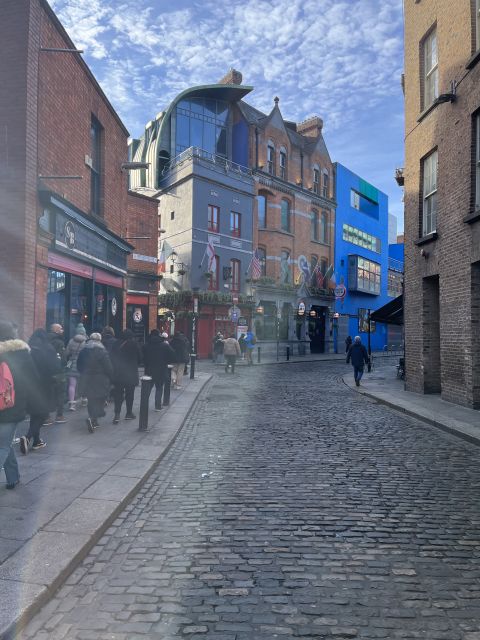
At $19 per person for about two hours with a live guide, this is good value if you enjoy walking tours that focus on stories you cannot easily piece together on your own. You’re paying for interpretation, not just route. And the route matters too, because it takes you through lesser-known streets instead of sticking only to the postcard blocks.
Here’s the practical value math: no hotel pickup means you control the logistics, and that keeps the price down. In exchange, you show up at O’Connell Street, start on time, and walk. If you like that direct trade, you’ll feel like you got your money’s worth.
Who should go?
- Adults who enjoy darker storytelling and the idea that history includes crime, fear, and punishment
- People who like guides who talk clearly and keep questions flowing
- Visitors who want something different from standard Dublin sightseeing
Who should think twice?
- Anyone under 18, since it is not suitable for children under 18
- Anyone who wants a tour that is strictly “macabre and bloody” all the time. The strongest feedback suggests it can be dark and dramatic, but one note mentions it may not feel gory enough for some tastes.
Also, the tour is marked as wheelchair accessible, which is a big plus if you need that flexibility. Still, you’re walking, so you’ll want to gauge your own stamina for a steady city walk.
Should you book the Dublin Macabre History Walking Tour?
If you’re the type of visitor who reads street history like it’s a mystery, I think you’ll like this. The best parts are the storytelling quality and the way the guide connects legends, crimes, and public events to specific places you can see right there. You get famous macabre threads, like the Death of Cuchulainn statue, plus darker urban rumors and fears, like rats and legless horror.
If you’re bringing friends or family, this tour can also work as a shared conversation starter afterward. You’ll walk away with vivid scenes, not just facts, and you’ll start noticing the older street bones of Dublin on your own.
Book it if you want a guided walk that turns ordinary blocks into scenes of history. Skip it if you prefer light, cheerful sightseeing or if you need your tours to stay completely non-graphic in tone.
FAQ
Where does the Dublin tour start?
The tour meets beside the Spire in the middle of O’Connell Street. Look for the yellow umbrella.
Where does the tour end?
It ends back at the meeting point beside the Spire on O’Connell Street.
How long is the tour?
The tour lasts about 2 hours. Starting times vary, so you’ll want to check availability.
How much does it cost?
The price is $19 per person.
Is hotel pickup or drop-off included?
No. Hotel pickup and drop-off are not included.
What language is the guide?
The live tour guide speaks English.
Is the tour wheelchair accessible?
Yes, the tour is wheelchair accessible.
Is the tour suitable for children?
No. It is not suitable for children under 18.
Is there free cancellation?
Yes. You can cancel up to 24 hours in advance for a full refund.
Can I reserve without paying right away?
Yes. Reserve now and pay later is available, so you can book your spot and pay nothing today.
Freshly listed around Dublin
- Wicklow Mountains Private Day Tour including Glendalough★ 5.0 · 7 reviews
- Wicklow: Private Day Tour from Dublin★ 5.0 · 5 reviews
- Women Of Ireland: Trailblazers & Pioneers★ 5.0 · 4 reviews
- Full Day Private Wicklow Tour★ 5.0 · 12 reviews
- Wicklow tour of Glendalough★ 4.5 · 8 reviews
- Wicklow Mountains & Glendalough Luxury Private Day Tour★ 5.0 · 23 reviews
- Premium Irish Whiskey Tasting Hosted by Local Dublin Expert★ 5.0 · 77 reviews
- Whiskey Tasting Tour of Dublin★ 5.0 · 117 reviews
Historical Tours, compared.

Dublin Historical Centre Food Tour with 8 Food Tastings & Drinks
Read our review →

Historical 2-Hour Guided Walking Tour of Dublin
Read our review →
Dublin to Cork, Blarney Castle & Cóbh Heritage Centre by train
Read our review →
Jeanie Johnston Tall Ship Irish Famine History Tour
Read our review →

Deliciously Dublin: The Artisan Donut Walking & History Tour
Read our review →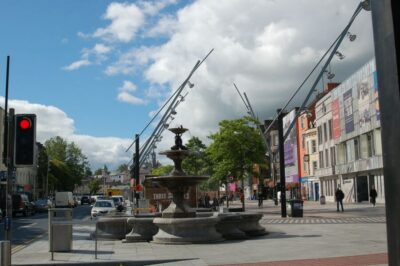
Browse the lists this tour appears in