
REVIEW · WALKING TOURS
Dublin: Mythology, Folklore and Legends Walking Tour
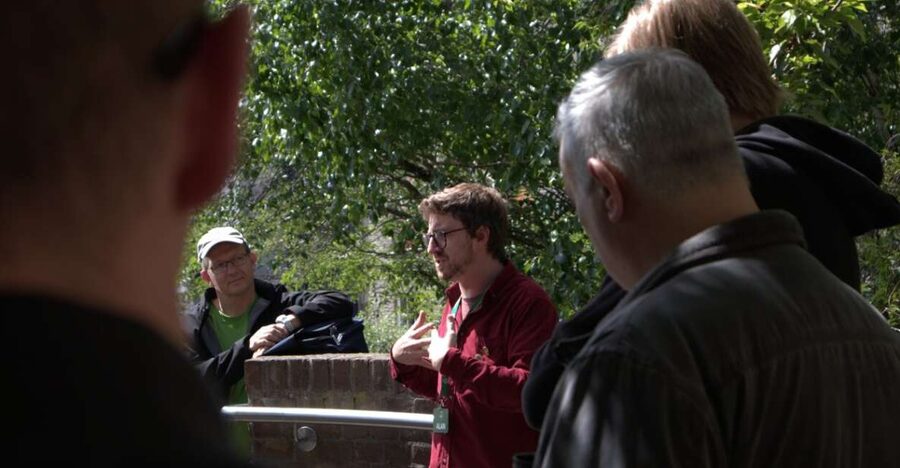
Myths in Dublin are not dusty. They sit right on the street corners, stitched into how locals think, fear, laugh, and celebrate. This Mythology, Folklore and Legends Walking Tour turns everyday sights into story clues, starting in Temple Bar and ending on O’Connell Street with the modern revival of Gaelic culture.
I love two things most. First, the tour is guided by a local folklore expert who explains characters like the banshee and púca in a way that makes them feel real. Second, the route gives you a different lens on famous places, plus some lesser-known stops in the Georgian Quarter and around the Abbey Theatre.
One possible drawback: this is still a city walking tour. You’ll be on your feet for about 2 hours with multiple stops, so wear comfortable shoes and plan for standing when the story gets going.
In This Review
- Key Highlights You’ll Actually Feel
- Turning Dublin Streets Into Story Clues
- Starting Outside The Old Storehouse Pub With the Right Mindset
- Temple Bar to Celtic Origins: Where Myths Meet Daily Life
- Banshee, Púca, and Leprechaun: Mythical Creatures With Real Clues
- Getting Off the Usual Route in the Georgian Quarter
- The Abbey Theatre Stop and the Weight of Irish Memory
- O’Connell Street Ending: Gaelic Revival and Modern Street Life
- How the 2 Hours Work on Your Feet
- Price and Value: What $27 Buys You in Dublin
- What Makes the Guides Matter (Helena, Lee, Dave, Emily)
- Who This Tour Suits Best, and Who Might Prefer Something Else
- Should You Book This Dublin Mythology Walking Tour?
- FAQ
- How long is the Dublin Mythology, Folklore and Legends walking tour?
- How much does the tour cost?
- Where do I meet the guide?
- Where does the tour end?
- Is the tour in English?
- What’s included in the ticket price?
- Is hotel pickup and drop-off included?
- Is the tour wheelchair accessible?
- Can I get a refund if my plans change?
- Is there a pay later option?
Key Highlights You’ll Actually Feel
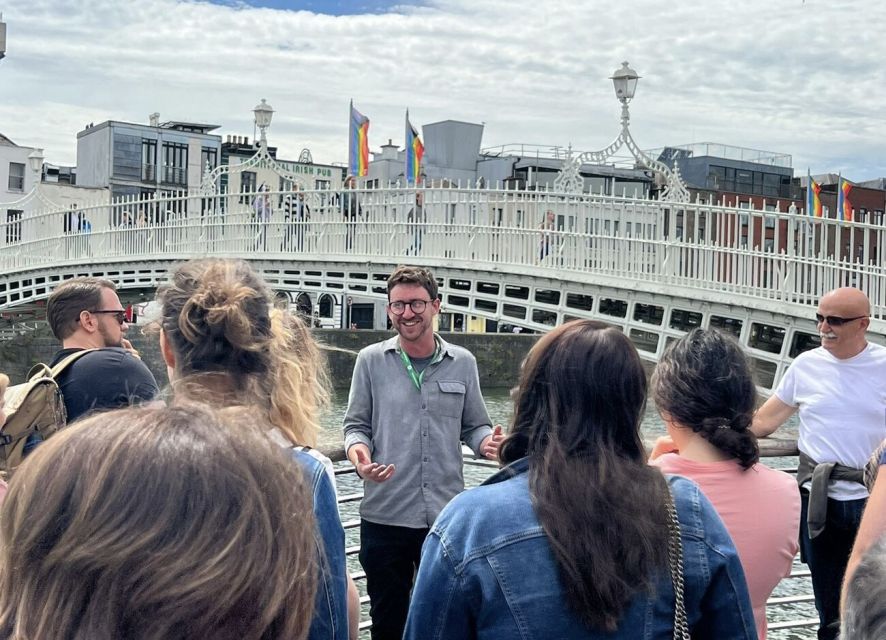
- Temple Bar as your myth starter: you begin with Celtic origins and the beliefs that shaped how people interpreted the world
- Banshee, púca, and fairies with context: the creatures are explained in Irish folklore terms you can remember
- Georgian Quarter’s dark notes: rebellions, grave robbing, and revolutions show how history gets spooky fast
- Abbey Theatre gets personal: you hear about the tragic history tied to Irish identity
- O’Connell Street and Gaelic revival: you finish with language and culture, plus a snapshot of contemporary street life
Turning Dublin Streets Into Story Clues
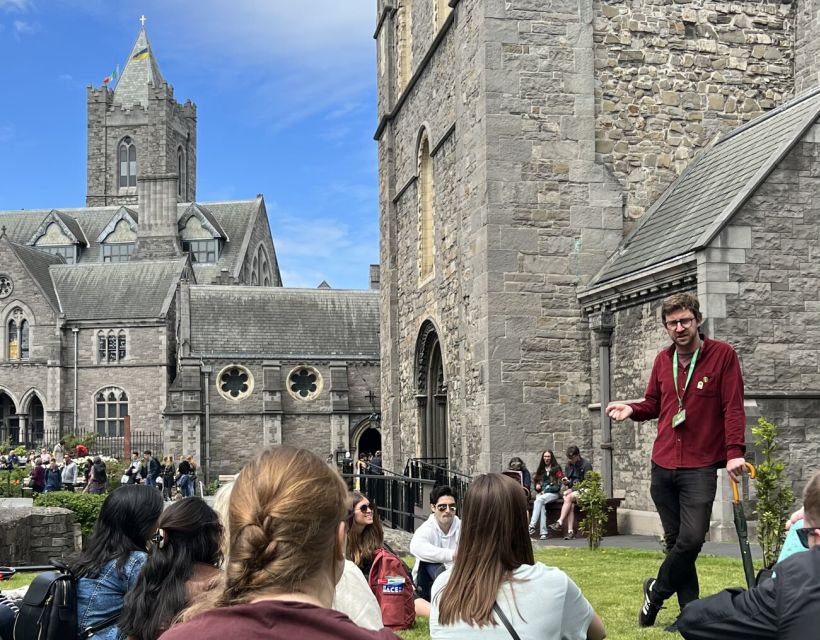
Dublin has layers. You can walk past them for years and still miss what makes them click. This tour works because it treats folklore like lived culture, not like trivia night. You’re not just hearing about monsters, you’re learning how people used stories to make sense of danger, luck, illness, and community.
The guiding style is a big part of the value. From the guide names you may encounter, like Helena, Lee, Dave, or Emily, the common thread is energy and humor paired with clear storytelling. The best moments are when the guide makes you rethink familiar landmarks and then gives you details you can carry into the rest of your trip.
If you like guided walks but want something more personal than standard history, this fits. It’s also a strong choice for a first-timer because it teaches you how to read the city’s references without needing a PhD.
More Walking Tours in Dublin
- Dublin Highlights and Hidden Gems Guided Walking Tour
★ 5.0 · 6,020 reviews - Dublin: Highlights and Hidden Gems Walking Tour
★ 4.9 · 2,140 reviews - 1916 Rebellion Walking Tour
★ 5.0 · 1,605 reviews
Starting Outside The Old Storehouse Pub With the Right Mindset
Your tour begins outside The Old Storehouse pub, and you’ll want to look for the green umbrella. That meeting point matters more than it sounds, because this tour is designed to start quickly and move into stories right away.
Temple Bar can feel like a lot of noise at street level. The tour gives you a calmer, more focused entry by reframing the neighborhood as a place where Celtic beliefs and mythical origins are part of the cultural backdrop. Instead of rushing into photos, you get the “why” behind what you’re seeing.
Also, the tour is a live, English-speaking experience. That sounds basic, but it matters when the content shifts between legend characters, cultural traditions, and real-world locations. You’ll get a flow that stays understandable without over-simplifying the myths.
Temple Bar to Celtic Origins: Where Myths Meet Daily Life
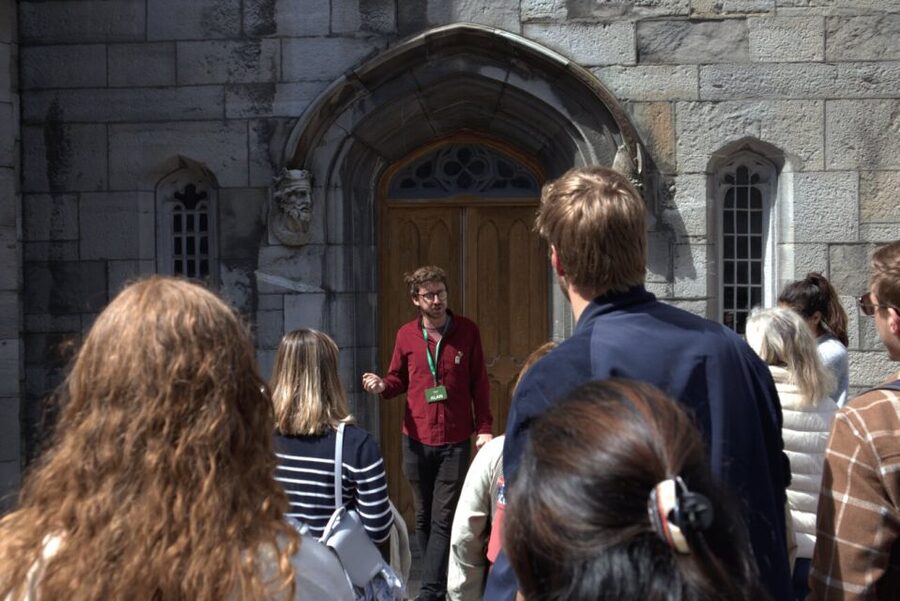
At the start, Temple Bar is your myth gateway. The guide connects Irish mythical origins to the traditions and beliefs tied to Celtic culture. This is where you learn the tour’s main trick: folklore is not random. It reflects how communities explained the unknown.
You’ll hear about fairies and other mythical beings, then connect those ideas back to everyday behavior and local attitudes. That matters because Irish folklore often works like a social map. People didn’t just tell stories for entertainment. They used them to explain patterns, warn about trouble, and reinforce shared values.
A good moment here is how the guide keeps the stories grounded in places you can actually walk to. You’re not stuck listening while nothing changes around you. Each short movement sets up the next story beat.
Banshee, Púca, and Leprechaun: Mythical Creatures With Real Clues
One of the most praised parts of this tour is the way mythical creatures are explained. Expect names like the banshee and púca, and you’ll also hear references to the leprechaun tradition. The guide doesn’t treat them like cartoon characters. Instead, you’ll learn how these figures show up in Irish folklore and what they were used to represent.
Here’s what I think you’ll like about this segment. The guide tends to explain each creature in relation to Irish cultural thinking, not just a plot summary. That helps you remember the characters because you understand their function in the story tradition.
For example, the banshee is tied to foreboding and the idea that someone might hear warning signs before tragedy hits. The púca carries its own set of associations in folklore, often related to mischief or unsettling appearances. Once you learn what the creature represents, Dublin’s streets start to feel like they come with an extra layer of meaning.
If you enjoy myth in a practical way, not an academic way, this is a great stop.
A different sort of day out in Ireland:
- Dublin to Cliffs of Moher, including Wild Atlantic Way and Galway
★ 5.0 · 23,331 reviews - From Dublin: Cliffs of Moher, Burren & Galway City Day Tour
★ 4.8 · 18,888 reviews - Dublin: Guinness Storehouse Entry Ticket
★ 4.6 · 16,863 reviews - Dublin to Cliffs of Moher, Burren, Wild Atlantic Way, Galway Tour
★ 5.0 · 12,924 reviews
Getting Off the Usual Route in the Georgian Quarter
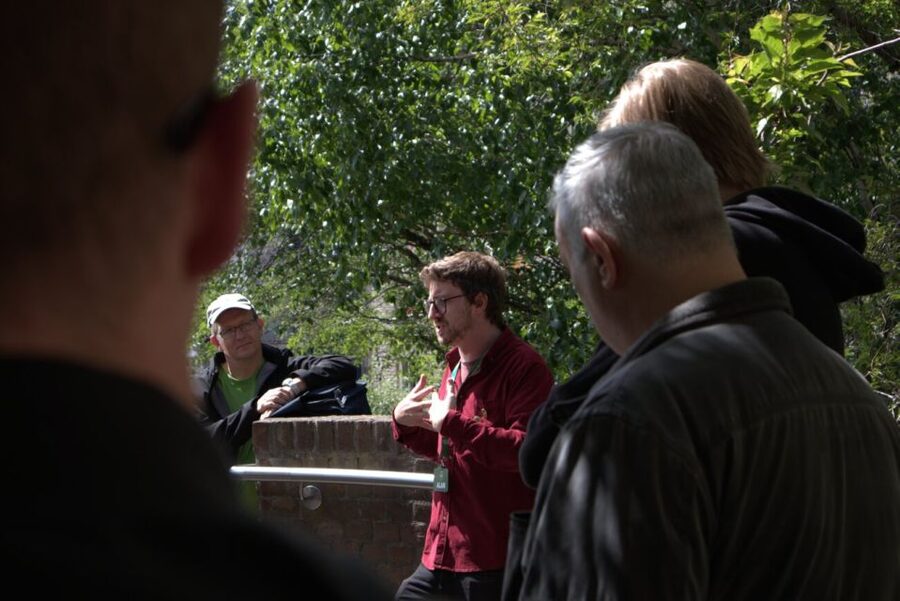
After Temple Bar, the tour shifts tone. You’ll get off the beaten tourist track and spend time with the Georgian Quarter’s macabre side. That includes stories about rebellions, grave robbing, and revolutions.
This part is valuable for two reasons. First, it shows you that Dublin’s history is not just polite facades and safe museum paths. Second, it explains how people lived with fear and upheaval, and how those experiences feed storytelling traditions.
The macabre angle can feel dark, but the guide generally keeps it readable and connected to real locations you can look up later. You’ll also notice how the tour blends legend logic with civic history. Stories about danger and death become easier to understand once you see the city’s historical context.
If you’re the type who likes to know why a neighborhood feels the way it does, you’ll enjoy this section. You’re basically learning the emotional geography of Dublin.
The Abbey Theatre Stop and the Weight of Irish Memory
Another highlight is the tragic history of the Abbey Theatre. This is where folklore meets cultural identity in a more human way. The stories here aren’t only about supernatural beings. They connect myth-style thinking to Irish storytelling on stage.
Why this matters to you on the ground: the Abbey Theatre is part of how Ireland turns painful moments into meaning. When you hear the tragic side of its history during a walking tour, it changes how you view the cultural buildings you pass later in your trip.
It also keeps the tour varied. You go from mythical creatures to civic unrest to theatre history. That rhythm prevents the experience from feeling like one long lecture. You get different flavors of storytelling and different ways to understand national identity.
O’Connell Street Ending: Gaelic Revival and Modern Street Life
The tour finishes on O’Connell Street, where you’ll get an introduction to the revival of the Gaelic language and culture in Ireland. This ending is smart because it brings the story forward in time.
Folklore doesn’t just live in old texts. It keeps changing, and you can see that in how modern culture works to preserve language, identity, and community. The tour also points out contemporary street characters, which helps you end with a sense of Dublin today, not only Dublin’s past.
This is a good place to pause and look around. You’ll likely spot the contrast immediately: a major avenue full of everyday life, but now you’re also aware of the cultural push and pull happening behind the scenes.
How the 2 Hours Work on Your Feet
This is listed as a 2-hour walking tour, so it’s long enough to feel like a real experience but short enough to fit into a day with other plans. The timing matters because the content includes multiple “story stops,” not just one or two photo moments.
A practical takeaway: the tour works best if you treat it like a guided conversation with movement, not like a fast sightseeing hit list. Expect some standing while the guide tells key parts of the story. You’ll want comfortable shoes, and if you’ve spent earlier days walking, take the tour at a time when your legs feel reasonably fresh.
Also, since the tour ends back at the meeting point, you won’t need to figure out public transport at the end just to keep your day flowing. That’s a small thing, but it reduces stress.
Price and Value: What $27 Buys You in Dublin
The tour costs $27 per person for a 2-hour, guide-led walk with live storytelling. That’s solid value if you care about culture in a way that feels connected to place.
Here’s why the price makes sense. You’re paying for a specialist guide, a local folklore expert, and a route designed to include lesser-known locations. That combination is the difference between a generic walking tour and one that changes how you understand the city.
You also get a structured experience with a clear start and end, with no hotel pickup. So you control your schedule and avoid transit delays that can slow down small-group storytelling.
In plain terms: if you’re the type who likes stories, legends, and characters, this is a low-cost way to add meaning to Dublin’s streets. If you only want hard dates and building histories, the myth focus might not hit as hard.
What Makes the Guides Matter (Helena, Lee, Dave, Emily)
One reason this tour earns so much praise is the guides. Depending on the day, you might meet Helena, Lee, Dave, or Emily. The consistent theme is that the stories are delivered with humor and an easygoing pace.
That matters more than you might think. Folklore can be intense if it’s delivered like a textbook. Here, the guide’s personality helps keep the stories moving and makes the legends feel like part of Dublin life.
You’ll also benefit if you like asking questions. More than once, the vibe described is that the guide is willing to talk beyond the main narration while you’re walking between stops. That turns the tour from a one-way show into something more personal, and it often leads to useful ideas for how to explore on your own after.
Who This Tour Suits Best, and Who Might Prefer Something Else
This tour is especially good for you if:
- You enjoy Irish culture through stories and characters, not just monuments
- You want a first-pass guide that helps you read Dublin differently later
- You like a walking pace with story breaks, not a nonstop sprint
- You’re traveling with kids or adults who enjoy imaginative history (the stops are not just one loud location after another)
You might skip it if:
- You want only classic political history and timelines
- You strongly dislike macabre topics like grave robbing and revolutions
- You prefer guided tours with minimal standing and no storytelling focus
If you’re unsure, think about what you’ll do after the tour. If you plan to explore Temple Bar, the Georgian Quarter, or O’Connell Street anyway, this is a way to make those areas mean more.
Should You Book This Dublin Mythology Walking Tour?
Yes, if you want Dublin to feel like a living story. For $27 and about 2 hours, you get a specialist-led walk that turns Temple Bar into Celtic origins, connects mythical creatures like the banshee and púca to cultural thinking, and uses the Georgian Quarter and Abbey Theatre to add weight to the legends.
Book it early in your trip if you want your next days to feel more informed. Book it any day if you just want a relaxed, fun way to see parts of the city you might otherwise miss. The only real caution is practical: wear comfortable shoes and be ready for a story-forward walk with several stops.
FAQ
How long is the Dublin Mythology, Folklore and Legends walking tour?
The tour lasts 2 hours.
How much does the tour cost?
The price is $27 per person.
Where do I meet the guide?
Meet outside The Old Storehouse pub and look for the green umbrella.
Where does the tour end?
The tour ends back at the meeting point.
Is the tour in English?
Yes, the live tour guide speaks English.
What’s included in the ticket price?
The ticket includes the guide and the walking tour.
Is hotel pickup and drop-off included?
No, hotel pickup and drop-off are not included.
Is the tour wheelchair accessible?
Yes, it is wheelchair accessible.
Can I get a refund if my plans change?
Free cancellation is available up to 24 hours in advance for a full refund.
Is there a pay later option?
Yes, you can reserve now and pay later.
Freshly listed around Dublin
- Wicklow Mountains Private Day Tour including Glendalough★ 5.0 · 7 reviews
- Wicklow: Private Day Tour from Dublin★ 5.0 · 5 reviews
- Women Of Ireland: Trailblazers & Pioneers★ 5.0 · 4 reviews
- Full Day Private Wicklow Tour★ 5.0 · 12 reviews
- Wicklow tour of Glendalough★ 4.5 · 8 reviews
- Wicklow Mountains & Glendalough Luxury Private Day Tour★ 5.0 · 23 reviews
- Premium Irish Whiskey Tasting Hosted by Local Dublin Expert★ 5.0 · 77 reviews
- Whiskey Tasting Tour of Dublin★ 5.0 · 117 reviews
Walking Tours, compared.
Dublin Highlights and Hidden Gems Guided Walking Tour
Read our review →


90 Minute Dublin Walking tour and Sightseeing tips
Read our review →

Historical 2-Hour Guided Walking Tour of Dublin
Read our review →
Dublin Traditional Irish 3 Course Meal Walking Tour with Local
Read our review →
Browse the lists this tour appears in