
REVIEW · WALKING TOURS
Guided Walking Tour in stunning county Waterford Ireland
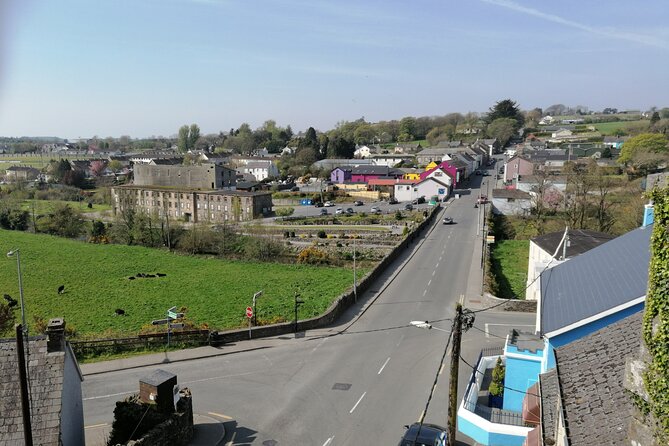
Workhouse ghosts and river calm, on one walk. This small-group tour in Kilmacthomas connects hard history, working-railway architecture, and mindfulness pauses along the Waterford Greenway.
Two things I really like: the guide’s story-first approach (Seanachaí, and often the lead storyteller Stíofán), and the way the walk blends village life with nature stops in a way that feels purposeful, not random. One consideration: a couple moments are viewed from a gateway or via cards because the best angle for you to see it is limited by private land.
In This Review
- Key highlights at a glance
- Where Kilmacthomas Walks the Waterford Greenway
- Kilmacthomas Workhouse, 1851, and the weight of real places
- Paupers Mass Grave stop, and why you view it carefully
- The New Bridge archaeological story, 4000 BC
- Mindfulness Section 1 on the Greenway, flora and fauna talk
- Railway Station and Signal House, and how the economy moved
- The village main street, characters you can almost picture
- Flahavan’s Mill from above the curved viaduct
- The curved viaduct bridge and public park, engineering with atmosphere
- Woollen Mill, major employment in the 18th and 19th centuries
- Mindfulness Section 2 on River Mahon, wildlife sounds and still water
- Mindfulness Section 3 on the country lane back to the Greenway
- Ending walk on the Greenway and the Coachhouse coffee story
- Price, timing, and who this walk suits best
- Quick tips to plan your day around the tour
- Should you book this guided walk in Kilmacthomas?
- FAQ
- How long is the guided walking tour?
- What time does the tour start?
- Where do I meet the guide?
- How much does it cost?
- Are snacks included?
- Is there a limit on group size?
- Do I need anything extra for the stops?
- Is the tour dependent on weather?
Key highlights at a glance
- Mobile ticket for an easy check-in
- Small group, up to 15 so you can ask questions
- Workhouse to mills to railway in one loop, with lots of outside viewing
- Three mindfulness sections built into the route, not tacked on
- River Mahon and Waterford Greenway nature moments with wildlife talk
Where Kilmacthomas Walks the Waterford Greenway
This experience starts at the Waterford Greenway Carpark at the Workhouse in Carrignanonshagh, Kilmacthomas, Co. Waterford, and it runs with a 10:00 am start. You loop through the village, move onto the Greenway, and end back at the starting point. The total time is about 2 to 3 hours, which is a sweet spot: long enough to feel like you learned the place, short enough to still have energy for lunch in town afterward.
The price is $21. At first glance it looks modest, but the value comes from what you actually get for that money. You’re paying for a local storyteller who ties together places you might otherwise pass by, plus several stops where the meaning is the whole point. Admissions at the specific sites on the route are listed as free for you during the walk, so you are not hit with surprise entry fees partway through.
You’ll also benefit from the format. The group size is capped at 15, so it is easier to keep up and get answers when you are curious. And based on the experience style, the pace tends to be leisurely, with walking that many people find manageable.
More Walking Tours in Ireland:
- Dublin Highlights and Hidden Gems Guided Walking Tour
★ 5.0 · 6,020 reviews - Dublin: Highlights and Hidden Gems Walking Tour
★ 4.9 · 2,140 reviews - 1916 Rebellion Walking Tour
★ 5.0 · 1,605 reviews
Kilmacthomas Workhouse, 1851, and the weight of real places
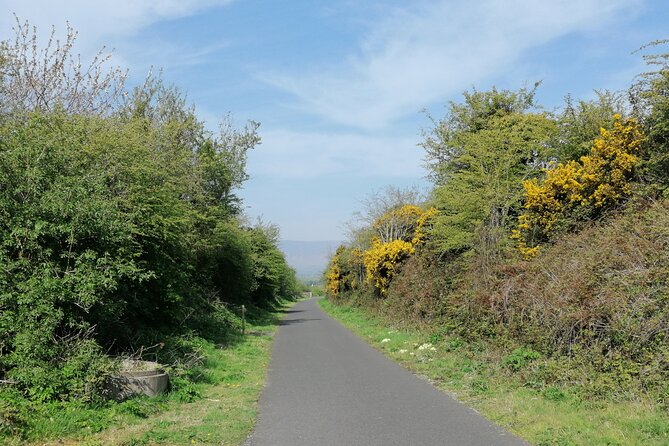
The tour opens at Kilmacthomas Workhouse, which opened in 1851 to house local people who were living through hard times. This is not a gloss-over stop. You walk the grounds and get oriented to key buildings, including the Poorhouse buildings, the isolation house, and the mortuary.
What makes this start work is that it gives you a clear framework for everything that follows. The rest of the walk is not only about pretty bridges and old railway structures. The guide uses these early workhouse details to explain why certain parts of the village and town layout mattered, and why later stories about mills, work, and transport feel so connected to everyday survival.
There is also a practical aspect here: walking the grounds helps you picture what life might have been like, even if you are not there for morbid details. You are warned and guided, and you move at a group pace. If you dislike heavy topics, this is your first moment of intensity. But if you like understanding a place through lived experience, it is a strong foundation.
Paupers Mass Grave stop, and why you view it carefully
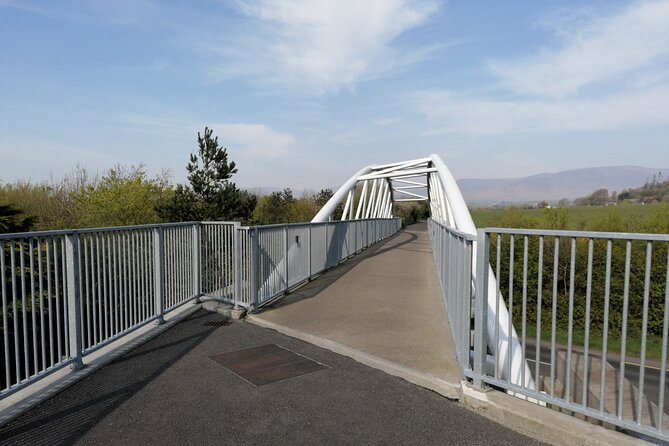
Next comes the Paupers Gravesite, where you can view a paupers mass grave from a gateway. The reminder here is stark: it points to the brutal reality of conditions faced by people in the workhouse system.
There’s one important limitation to understand. The site is set on privately owned land, so there is no full access into the area. Instead, the walk uses flip-card viewing to help you make sense of what you can see from where you are standing. If you expect to wander freely or take close-up photos, you might feel slightly boxed in here.
Still, the viewing-from-gateway approach has a kind of respect built into it. It keeps the focus on the story the site represents, rather than turning the location into a casual sightseeing photo stop. It also sets the tone for the later mindfulness sections, because the route does not pretend that nature makes everything light.
The New Bridge archaeological story, 4000 BC
Then you shift from workhouse hardship to older time layers. At the New Bridge stop, the guide shares a story about archaeological digs that date the Kilmacthomas area to around 4000 BC, described as older than the pyramids of Egypt.
Even if you already know that Ireland has deep prehistory, this kind of place-based age does something different. It moves you from dates in a book to ideas tied to a specific bend in the land. The flip-card explanation also helps keep this stop grounded. You are not asked to guess, and you are given a clear summary of the kind of findings archaeologists reported in the area recently.
One practical tip for you here: keep your attention steady. This is a “listen closely” stop. It’s short by design, about 15 minutes, but the meaning is in the details the guide points out. If you drift into photo mode, you can miss the point of why this bridge matters to the story of the whole area.
A few more Ireland days worth comparing
- Dublin to Glendalough, Wicklow and Kilkenny Full Day Guided Tour
★ 5.0 · 4,895 reviews - Dublin Book of Kells, Castle and Molly Malone Statue Guided Tour
★ 4.5 · 3,825 reviews - The Little Museum of Dublin Famous Guided Tour
★ 5.0 · 2,948 reviews - From Galway: Full-Day Cliffs of Moher & Burren Guided Tour
★ 4.8 · 2,815 reviews
Mindfulness Section 1 on the Greenway, flora and fauna talk
After the archaeology and the heavier site, the route intentionally shifts gears with Mindfulness Section 1. This stop is about taking a breath and opening your senses. The idea is not fluffy relaxation. It’s a guided way to notice what you might otherwise steam past.
You stop to focus on flora and fauna you may encounter while walking along the Waterford Greenway toward the village railway station. The guide uses flip-card prompts to help you identify or think about plant types and the kinds of wildlife activity you might be seeing as you walk.
Why I like this structure is that it gives your brain a reset without breaking the flow of the tour. You are still moving through the same area, but the “job” changes. Instead of processing buildings and dates, you process sound, movement, and small details.
If you tend to think of walking tours as purely informational, this kind of pause can change how you experience the outdoors. It’s also a good match for mixed groups, including people who want history but also want quiet moments.
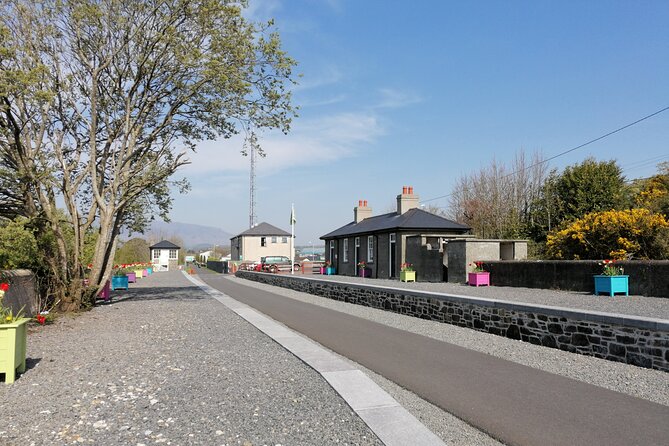
Railway Station and Signal House, and how the economy moved
Next, you get to the Railway Station and Signal House area, with time for outside viewing. This is where the tour connects you to the heyday of Ireland’s railway network.
The station and signal house buildings were vital to the local economy during the rail era. Even when you are only viewing the structures from outside, the guide helps you understand what those locations represented. Think: coordination, movement of goods and people, and the daily rhythm rail brought to smaller towns.
This stop also helps you visually connect the earlier workhouse and village life to the later mills. In many places, you can track industrial change through transport routes. Here, the railway story gives you that link without requiring you to interpret complex machinery.
It’s a short moment, around 10 minutes, but it is a meaningful one. It’s also a relief stop for your body, because you are mostly looking and listening rather than walking long distances between points.
The village main street, characters you can almost picture
In the village itself, you move onto the main street of Kilmacthomas. This is the stop where the tour becomes especially human. You hear about famous and infamous characters connected to the village of Kilmacthomas, and you see flip-card images that describe what people looked like and how they affected history.
This is a great segment for you if you like the social side of travel. Dates are useful, but people make places memorable. The guide’s storytelling style matters here because the value is not just knowing names. It is understanding how small-town characters connect to wider themes, whether through local business, hardship, or change.
Also, this is one of the best times to ask questions. The tour format keeps space for conversation, and because the group size is small, you are more likely to get a direct answer rather than a generic one.
If you enjoy your tours with a mix of fact and narrative, this village segment is a highlight.
Flahavan’s Mill from above the curved viaduct
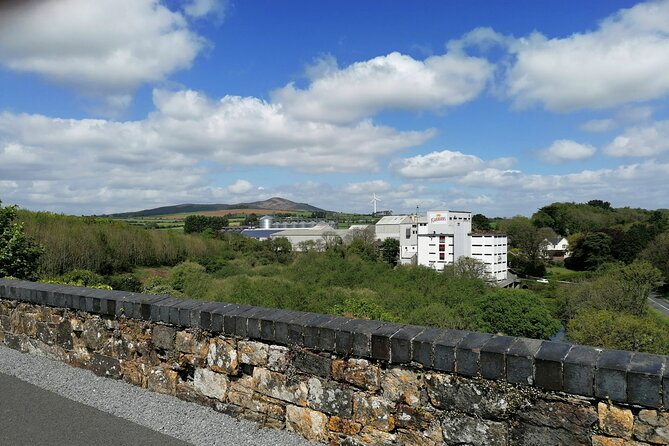
Then comes one of the most scenic moments. At the Kilmacthomas Railway Viaduct area, you get a view of Flahavan’s Mills from the top of the curved viaduct bridge.
Here’s what the guide points out: Flahavan’s Mills has been producing high-quality oatmeal products since the 18th century. Getting the mill view from the viaduct matters, because it shows how industrial places sat near transport routes and how the built environment supported work.
The timing is short, about 5 minutes, but it’s designed like a photo-and-story handshake. You can take in the angle, then listen to how that location became part of local identity through long-running production.
One tip for you: treat this as a “look first, listen next” stop. If you look and then listen, the explanation sticks better because your brain has an image to attach it to.
The curved viaduct bridge and public park, engineering with atmosphere
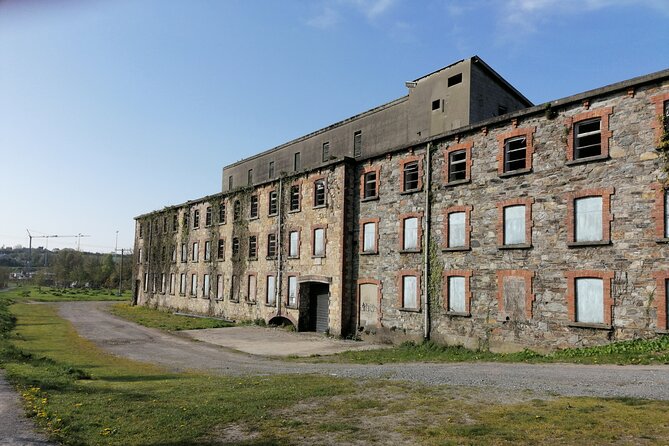
After Flahavan’s Mill, you move to the Curved Viaduct Bridge and public park area. This is where the guide emphasizes engineering, and you get a chance to admire the viaduct from multiple angles, including from the base footings.
The curved viaduct bridge is described as a magnificent feat of engineering, and the route makes you see why. Multiple viewpoints help you understand the shape and scale without needing technical language.
You also walk the grounds of the public park and hear about historic moments that happened there. This makes it more than a “stand and stare” segment. It becomes a small walking loop of its own, with the guide connecting physical features to local memories.
This is also another moment where the tour’s balance shows. You are still on the railway theme, but it is not stuck in the past only. The park setting gives you a place to breathe again and shift from industrial imagery to human-scale space.
Woollen Mill, major employment in the 18th and 19th centuries
Back in Kilmacthomas, you visit the Woollen Mill area to learn about the mill’s role as a major employer during the 18th and 19th centuries.
This stop matters because it rounds out the tour’s economic picture. The railway brought movement. The mills brought work. Together, they explain how a small place could sustain livelihoods, and why certain structures and buildings became anchors for the community.
You learn about the mill’s place in local industry, and you are guided to understand its importance beyond just the fact that it existed. In practical terms, the mill stop also gives you variety. After bridges and station views, it is a different kind of site to process.
Mindfulness Section 2 on River Mahon, wildlife sounds and still water
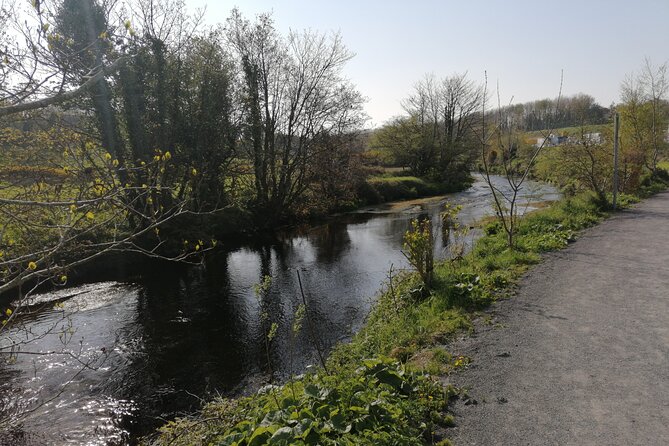
Then the route offers Mindfulness Section 2 on the banks of the River Mahon. This is one of the most calming parts of the tour, because you are encouraged to pause and enjoy the tranquil scenery, while the guide explains forms of wildlife and nature living there.
The audio and sensory cues are part of the point: you might hear sounds of ducks, fish leaping, water flowing, pollinators, and plenty of bird song. Even if it’s not loud enough for you to notice instantly, the guide’s prompts help you listen.
I like that the tour does not treat mindfulness as a separate world from history. It treats it as part of the same place. Once you’ve heard about workhouse suffering, the sound of living wildlife becomes its own kind of contrast and perspective.
This section is short, about 5 minutes, but it is memorable because it changes your pace. It also helps you reset before the final mindfulness stop on the country lane.
Mindfulness Section 3 on the country lane back to the Greenway
The last mindfulness pause, Mindfulness Section 3, happens on a country lane leading back onto the Waterford Greenway.
Here you stop to take a breath and open your senses again. Flip cards guide you through the type of flora and fauna you might spot, and the stop focuses on views into open pastures full of life and bird song.
It’s a simple way to end with a sense of space. Instead of ending with only buildings, you end with open sightlines and outdoor texture. The guide keeps it grounded with specific nature references, so the mindfulness is not vague.
This segment is about 10 minutes, long enough to feel like a real pause, not a forced stop.
Ending walk on the Greenway and the Coachhouse coffee story
From Mindfulness Section 3, you walk back along the Waterford Greenway to the final stop, the Coachhouse. While walking, the group can ask questions about anything experienced during the tour, which is a nice way to turn your curiosity into answers rather than letting it sit in your head.
At the Coachhouse, you view the building and hear about characters connected to the workhouse grounds. The tour also includes a story about coffee and how it began in the 16th century.
That coffee moment might sound light compared with paupers and isolation houses, but it fits the tour’s style. It reminds you that local stories are not only about hardship. Communities also have everyday rituals and global connections, and the guide ties that idea to the Coachhouse setting.
Finally, the tour ends back at the meeting point, so you are not scrambling to find your way out.
Price, timing, and who this walk suits best
At $21 for about 2 to 3 hours, with a small group size and a dedicated local guide, this is good value for people who want more than a casual stroll. You get multiple interpretive stops, and the walk includes both serious and soothing moments, which is a rare combination in day tours at this price.
The duration also feels practical. It’s long enough to feel that you learned how the pieces fit together, and short enough that you can still eat well afterward. If you are coming in on your own, or with friends who like different travel styles, the structure helps. Some people enjoy the railway architecture. Others focus on the workhouse and village characters. The mindfulness stops give everyone a break from constant listening.
If you love asking questions, you should like this format. The group size is small, and the guide uses short, focused stops where questions make sense.
If you have limited tolerance for heavy topics, you should know the route includes workhouse buildings and a paupers mass grave stop. The guide frames it carefully, but it is still serious subject matter.
Quick tips to plan your day around the tour
Start by timing your morning so you can be present at the first stop. The Workhouse opening sets the tone, and it helps the rest of the walk click into place.
If you want photos, plan for it at the railway structures. The curved viaduct bridge angles and the outside viewing at the station and signal house are built into the route. For the workhouse and mass grave, keep your focus on listening. This is where the story matters most.
Finally, plan to eat after. Snacks are not included, but Kilmacthomas has dining options, so you can decide what feels right once the walk ends.
Should you book this guided walk in Kilmacthomas?
If you want a walk that mixes history, engineering views, and guided nature pauses, book it. The small group size, the focused stop design, and the guide’s storytelling style are a strong match for first-time Ireland history learners and for regular repeat visitors who still want an authentic, local feel.
I would skip it only if you strongly dislike tours that include difficult subject matter, especially the workhouse and paupers mass grave elements. Otherwise, this is a thoughtful, manageable half-day style experience that makes County Waterford feel personal.
FAQ
How long is the guided walking tour?
It lasts about 2 to 3 hours.
What time does the tour start?
The start time is 10:00 am.
Where do I meet the guide?
You meet at the Greenway Carpark at the Workhouse, Carrignanonshagh, Kilmacthomas, Co. Waterford, Ireland.
How much does it cost?
The price is $21.
Are snacks included?
No. Snacks are not included, and you can purchase food and beverages in Kilmacthomas after the tour.
Is there a limit on group size?
Yes, the tour has a maximum of 15 travelers.
Do I need anything extra for the stops?
Admission tickets for the stops listed are free during the tour, and your ticket is mobile.
Is the tour dependent on weather?
Yes, it requires good weather. If it is canceled due to poor weather, you are offered a different date or a full refund.
Freshly listed around Ireland
- Westport: Beach and Countryside Guided Horse Ride★ 4.8 · 6 reviews
- Westport: Fun-filled walking tour of a beautiful town★ 5.0 · 7 reviews
- Wicklow Mountains Private Day Tour including Glendalough★ 5.0 · 7 reviews
- Waterford Treasures: Walking Tour of the Viking Triangle★ 4.7 · 43 reviews
- Wicklow: Private Day Tour from Dublin★ 5.0 · 5 reviews
- Waterford: The Irish Wake Museum Guided Tour★ 4.8 · 6 reviews
- Waterford: Mount Congreve Gardens Entry Ticket★ 5.0 · 7 reviews
- Waterford Crystal & Kilkenny City Small Group Tour★ 4.7 · 6 reviews
Walking Tours, compared.
Dublin Highlights and Hidden Gems Guided Walking Tour
Read our review →

90 Minute Dublin Walking tour and Sightseeing tips
Read our review →

Historical 2-Hour Guided Walking Tour of Dublin
Read our review →
Dublin Traditional Irish 3 Course Meal Walking Tour with Local
Read our review →
Browse the lists this tour appears in